

Every domestic animal likes milk. So, there is no question as to why dogs love milk. You may feel that your dog is always after dairy products, whether it’s milk or yogurt. Puppies are instinctively nursed by their mothers’ milk; that could be a reason they love to drink the milk, as it feels like one. It is also a fact that milk is a basic need for mammalian growth because it is rich in protein and calcium. Besides dogs’ dependency on milk in early stages, it’s not a vital part of their diet. In general, no mammals consume regular milk past weaning; as it applies to humans, so it does to dogs. Read on to gather more information on dogs’ love for milk.

Why dogs love milk?
Dogs love milk the most because of its creamy taste, which is also a choice of human babies. Secondly, it has a high amount of fat content, and dogs are naturally attracted to fatty food. Lastly, milk provides energy, reminds them of early nursing comfort, and supports overall health.
Is milk safe for dogs?
Yes, milk is safe for dogs when it is given in small quantities because excessive amounts of milk can cause diarrhea, vomiting, swelling in the abdomen, loose stools, and stomach pain. That’s why dairy products should be served occasionally.
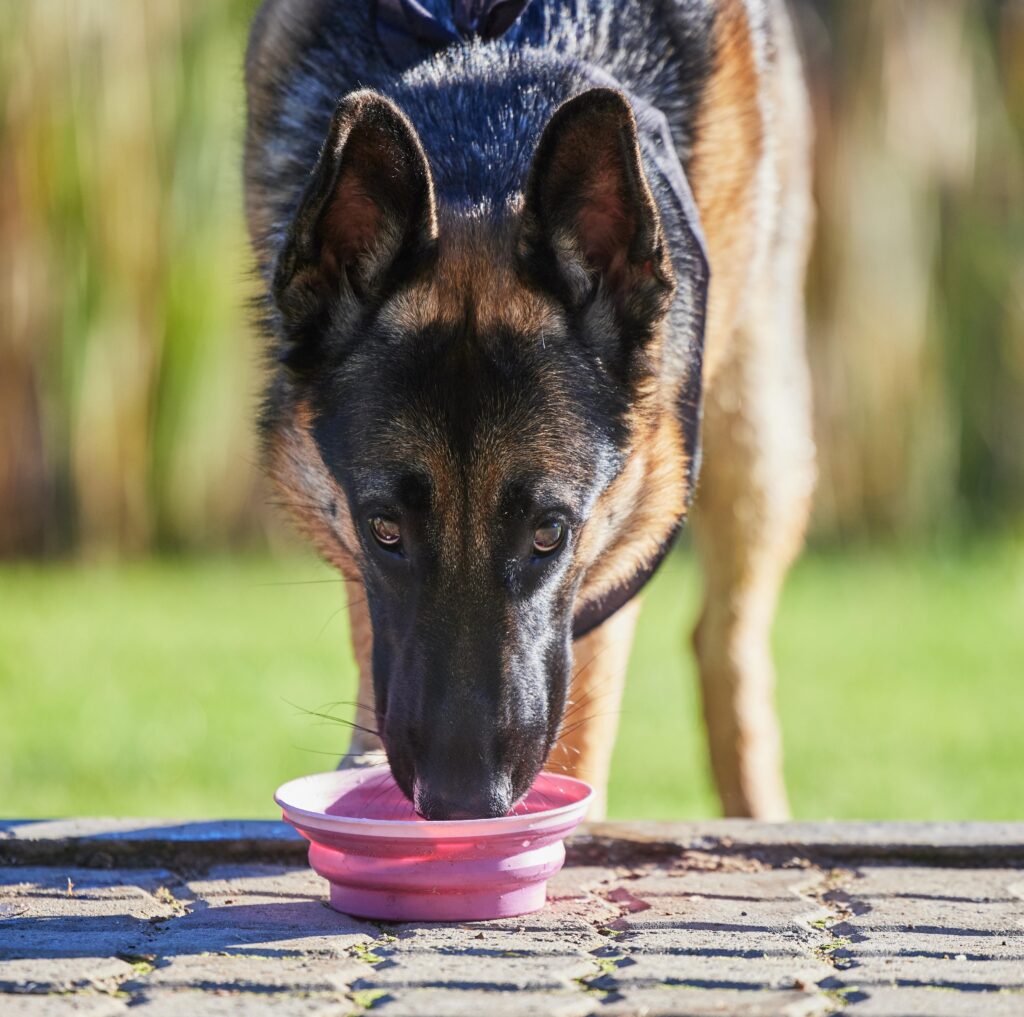
Lactose intolerance in dogs
While we are talking about why dogs love milk, many breeds can’t digest milk properly, like huskies, dachshunds, etc. This problem can be seen in humans, too, and to overcome that, people include lactose-free milk or plant milk like soy milk in their diet. The same happens with dogs. Lactose intolerance in dogs is a condition where their body lacks lactase enzymes, which are important to digest lactose (sugar in milk).
Symptoms of lactose intolerance in dogs
- Gas and Bloating
- Vomiting
- Constipation
- Dehydration
- Loss of appetite
- Lethargy
- Itchy skin
- Abdominal pain
- Excessive thirst
Management
It is important to eliminate all dairy products from your dog’s diet to manage lactose intolerance.
Treatment
• Replace milk with water to prevent dehydration.
• Choose alternatives to dairy milk, like soy or almond milk. Use them too in moderation because they also cause many digestive issues in dogs.
• If you suspect your dog’s symptoms are severe and uncontrollable, then contact your veterinarian.

Cherished dairy products and treats for dogs
Basically, you can serve your dog daily products, but that should be in moderation and mindfully. Dogs love milk, yogurt, ice cream, cottage cheese, and cheddar cheese; all will be OK if they have a spoonful of them. You can also use dairy products as treats. It will elevate their mood and make your training effortlessly simple.
Here’s what Dog Food Advisor suggests.
Low-lactose-content dairy products are favorable for dogs, like cottage cheese with 2.5-3 gm of lactose per 1/2 cup, cheddar cheese with 0 grams of lactose, and Greek yogurt, which is already packed with probiotics that help your dog’s digestive tract be clear, has only 3-4 grams of lactose per 1/2 cup. You can use commercial pet-safe milk options, too.

Why are probiotics important for a healthy gut in dogs?
Probiotics are actually important for a healthy gut, especially for lactose-intolerant dogs. A healthy probiotic of any kind helps your dog to digest milk smoothly because it works the same as the lactose enzyme in the body and controls many severe digestive problems in dogs. If your dog is a treat lover, offer him a probiotic treat; they are not only tasty but healthy as well.
What kind of milk can a dog drink?
There are mainly categories of milk that dogs can drink.
1. Animal-based milk
Animal-based milks are cow, buffalo, and goat milk, which humans also consume. Do you know why dogs love milk? because it offers a creamy texture and taste, plus it connects them with nursing feelings during their early ages. It’s worth noting that milk is digestible when given in balanced amounts to dogs, and if you are caring for a pre-weaned puppy that requires bottle feeding, then you have to give them specialized milk designed for puppies only. After weaning, they require only 3% lactose concentration, which is present in mothers’ milk. Avoid too much cow and goat milk for puppies because they contain 5% and 4.3% lactose concentrations, which are a little stressful for their small, sensitive stomachs.
2. Plant-based milk
Plant-based milks are soy, almond, coconut, and oat milk. They are not toxic to dogs, but they prove difficult for them to digest in large amounts. Their excess can cause diarrhea. So, a small amount served on occasion is fine for your dog. Make sure to read all the labels before purchase. If it contains xylitol, which is an artificial sweetener, then avoid the product. Even a small amount of it is dangerous for dogs because it causes a rapid release of insulin, leading to hypoglycemia that causes seizures and even death within a few hours.
FAQ
1. Is lactose-free milk good for dogs?
Lactose-free milk is found to be good for dogs because it is easier to digest than other plant- and animal-based milk. But people prefer animal-based milk more because lactose-free milk is still high in fat, which may cause problems like pancreatitis and obesity. This is the report of the American Kennel Club.
2. Is milk good for dogs every day?
Milk for puppies is proven to be healthy if served regularly in moderation, but it is not good for adult dogs. It can cause flatulence, diarrhea, vomiting, and abdominal pain in a lactose-intolerant dog, and if tolerated, then it rapidly gains weight and disrupts their digestion.
3. Can dogs drink milk mixed with water?
Yes, dogs drink milk mixed with water in small quantities. It makes the milk more palatable to digest, but it is still problematic and cannot replace the normal, balanced diet of a healthy dog.
Read about what is the best dog food for healthy weight here.