
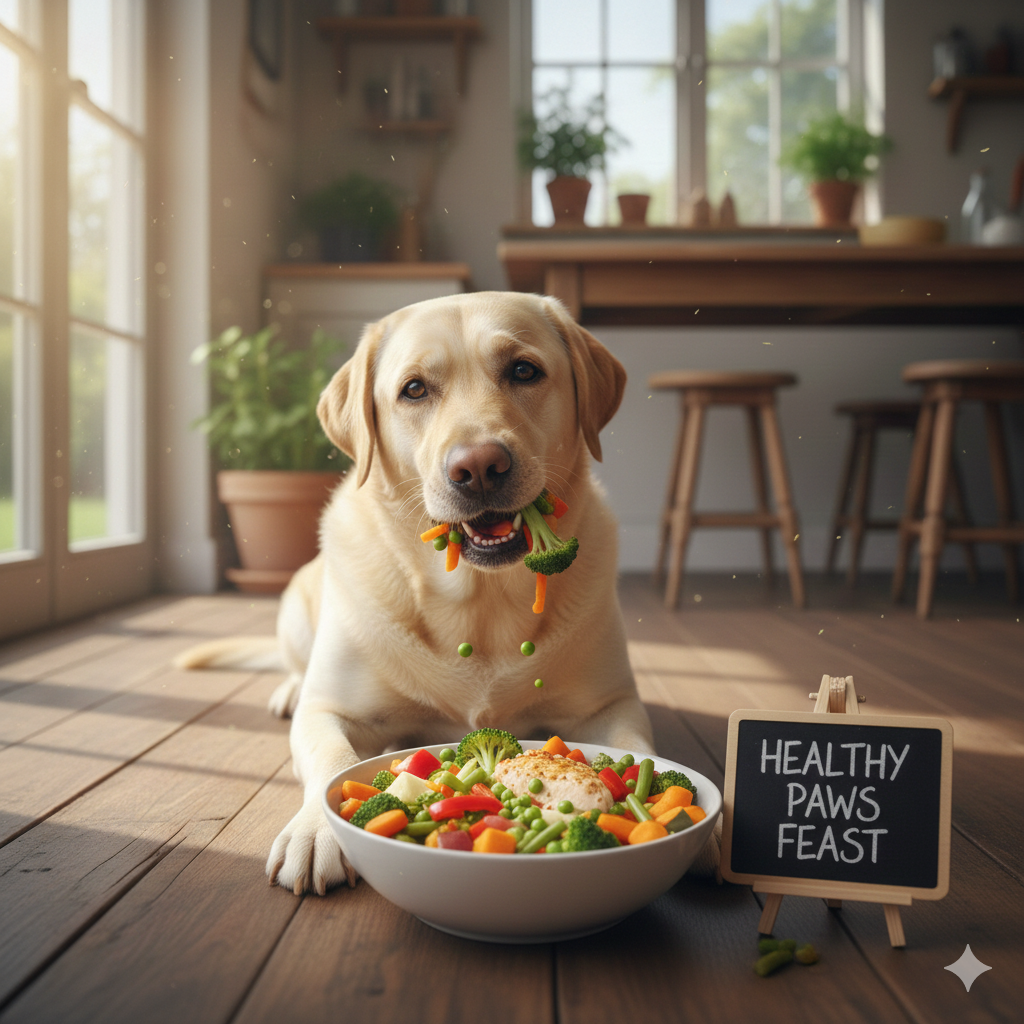
Vegetables are an essential part of the human diet, and the same holds for dogs. The difference between humans and dogs is that not all vegetables can be easily digested by our furry companions. So now the question is, what vegetables can dogs eat? In this article, we will discover a list of vegetables that are beneficial for dogs’ growth.
What are the advantages of vegetables for dogs?
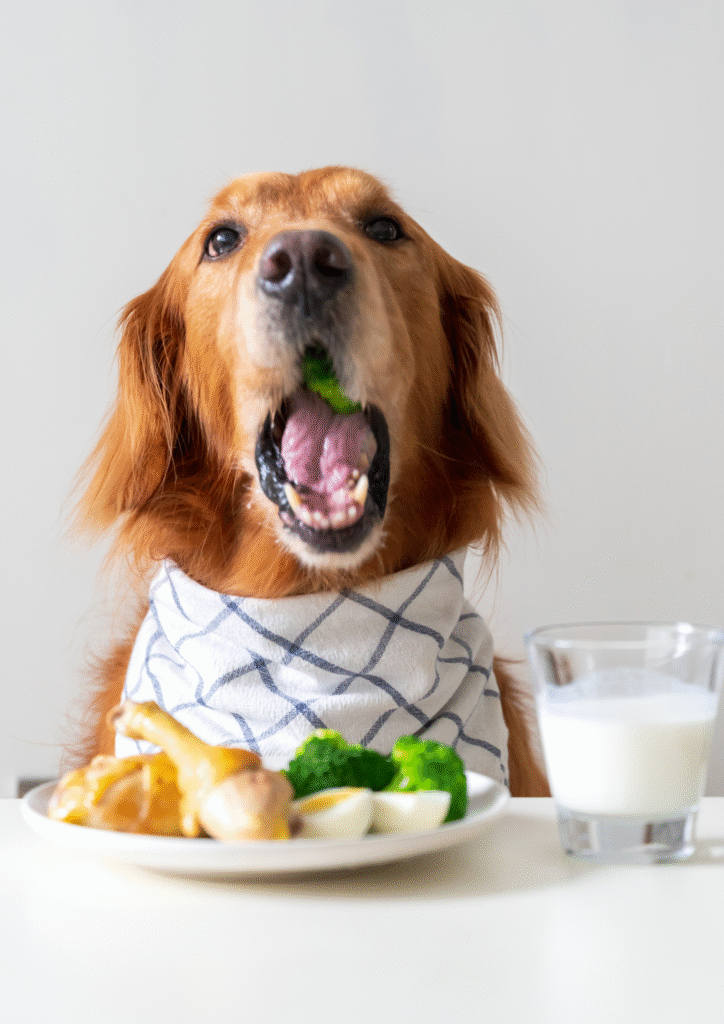
What vegetables can dogs eat? And what are the advantages of vegetables for dogs? are common questions among pet owners who are concerned about their pooch’s health. The fact is, dogs love to eat veggies. Yes, dogs indeed have the teeth, gut, and enzymes of meat eaters, but in India, many communities are vegetarians and also serve vegetarian food to their pets. Vegetables can provide the same or even more nutrients to pets than meat does. They provide fiber, vitamins, minerals, low-calorie bulk, and antioxidants that are perfect for their immune system, dental chewing enrichment, constipation, and weight management. Unlike humans, dogs cannot rely upon vegetables for their balanced diet; they need a variety of food, for example, milk, chicken, eggs, kibble, and store foods, along with veggies, in order to maintain their overall well-being.
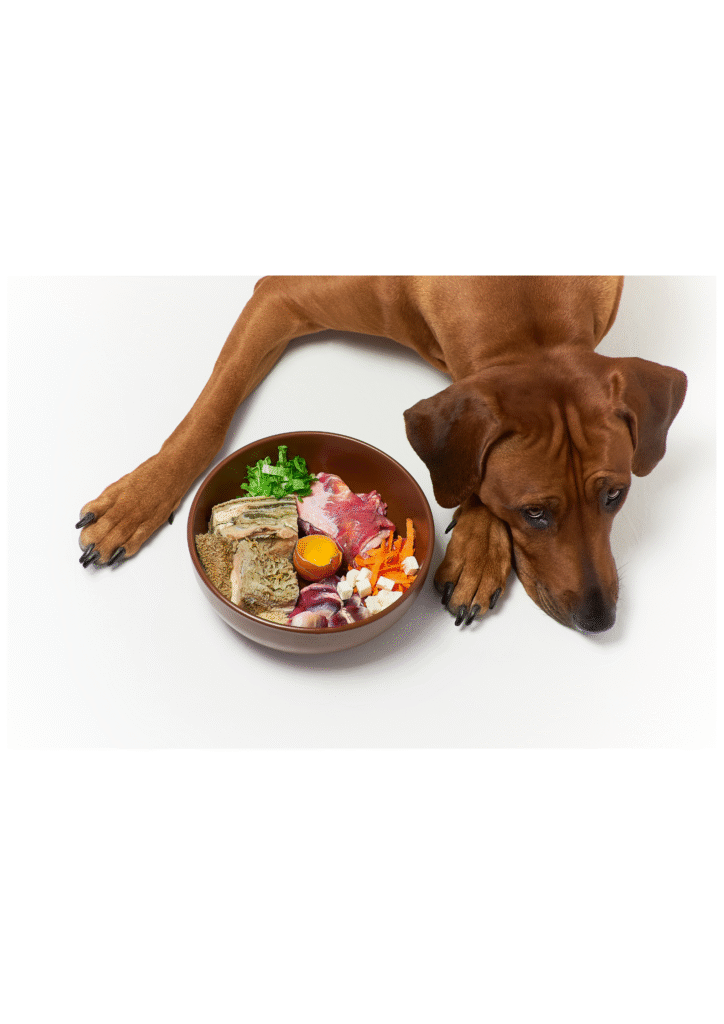
What vegetables can dogs eat?
1. Cabbage
Cabbage is a good vegetable if given in moderate amounts because of its gassy tendency. It has vitamins C (ascorbic acid), K (napthoquinones), B1 (thiamine), and B6 (pyridoxine). It is best in lightly boiled form; it also reduces the chances of hypothyroidism in dogs.
2. Asparagus
Asparagus is rich in vitamins B6, C, E, and K and minerals like copper and potassium. Asparagus is high in fiber and packed with antioxidants. Raw asparagus is tough to chew and digest. Remember to either grill or steam it and cut it into small pieces before feeding it to your dog.
3. Cauliflower
Cauliflower is rich in omega-3 fatty acids, manganese, phosphorus, and vitamins like vitamins B, C, and K. It is good for weight management and supports overall health, but like cabbage, it should also be given cooked and in moderation to avoid gas, bloating, and other digestive issues.
4. Potatoes
Potatoes are good for dogs, as they help in fluid balance and cellular growth. It also aids proper nerve and muscle function. Potatoes should always be served cooked, baked, or steamed without frying or adding any spices, as this makes the dish fatty and unsuitable for dogs.
5. Pumpkin
Pumpkins are one of the best vegetables for homemade dog food. Lightly cooked pumpkins are most dogs’ favorite, and they are rich in fiber, vitamins, and minerals that help in blood sugar regulation, constipation, and smooth digestion in dogs. You can also feed pumpkin seeds to your dog, but they should be free from salt, spices, and any additives.
6. Beets
Beets are rich in vitamin C, manganese, potassium, and dietary fibers, but like other vegetables, they should also be served lightly cooked, as raw beets can cause serious choking and obstruction in the dog’s digestive system if eaten in raw form. They are also acidic in nature and can cause diarrhea, stomach upset, and indigestion in some dogs.
7. Peas
Peas are a low-calorie snack full of fiber, rich in vitamins A, B, and K, and full of minerals like iron, magnesium, zinc, and potassium. They make a great snack in moderation and should be cooked before serving because they have purines that cause kidney issues in dogs.
8. Lettuce
Lettuce is a crunchy, low-calorie treat that supports hydration due to its 90% water content and aids digestion. It is rich in vitamins A and K and fiber, and helps in weight reduction in obese dogs.
9. Spinach
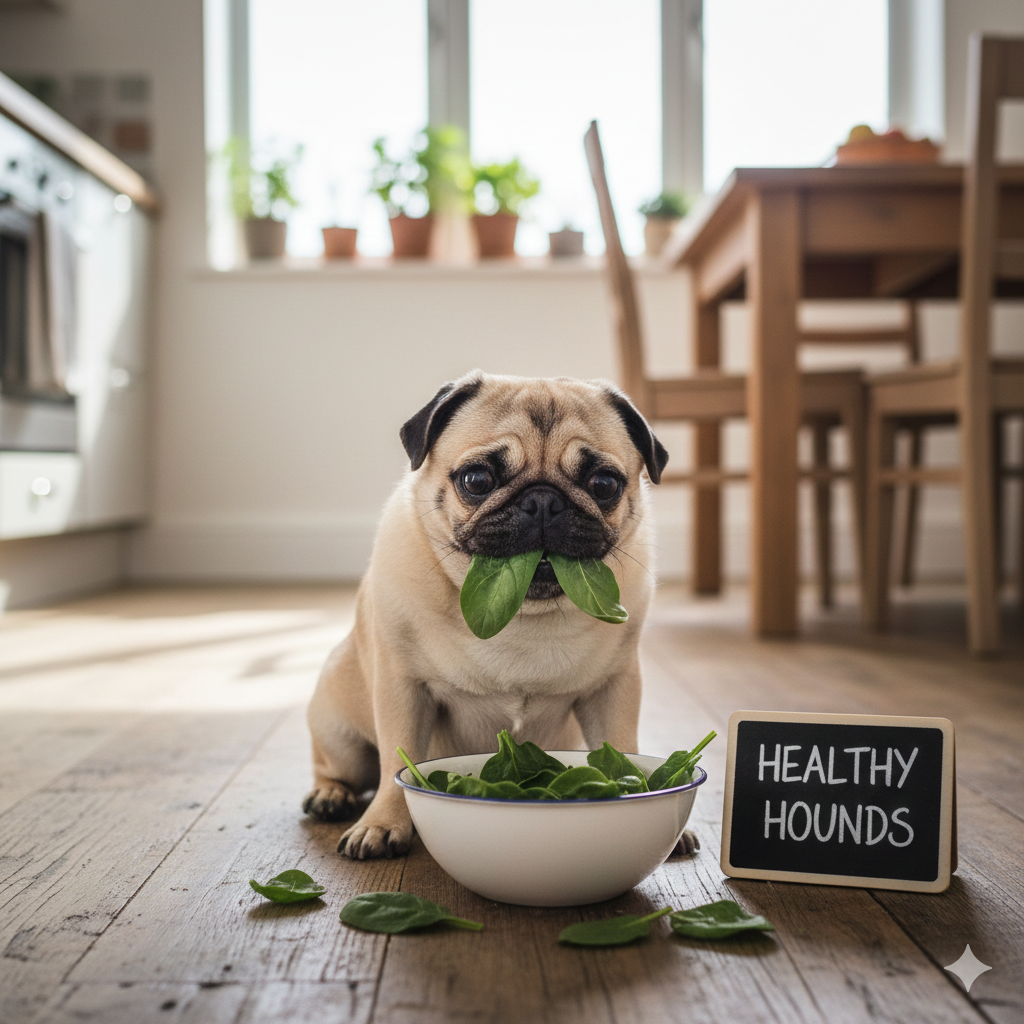
Yes, dogs eat spinach in moderation. 2-3 tablespoons of cooked spinach is ideal for dogs. It is rich in vitamins A, C, and E and minerals like iron and magnesium. These green leafy vegetables are high in energy and prevent heart disease, inflammation, and even cancer in dogs.
10. Cucumber
Like lettuce, cucumbers have a high water content, which makes them an ideal snack for dogs in summer. It has vitamins B1, C, and K and copper, magnesium, and potassium that help in weight management and fresh breath, provide electrolytes for hydration, and soothe muscle pain and diseased gums in dogs.
11. Brussels sprouts
Brussels sprouts are rich in vitamins C and K, which help boost immunity and improve muscle and bone health. Cooked Brussels sprouts support smooth digestion and help with constipation in dogs.
12. Kale
Kale has many health benefits for dogs. It is rich in vitamins A and K, calcium, and iron. It is the best alternative to spinach. Kale is good for the dog’s vision and is responsible for healthy blood cell growth. It should also be given in moderation to avoid gas, flatulence, and bloating.
13. Sweet potatoes
While asking what vegetables can dogs eat potatoes are the first answer that comes in mind. Like potatoes, sweet potatoes also have almost the same health benefits; they are rich in fiber and vitamins B6 and C. They contain beta-carotene, which improves the skin and vision of dogs. Sweet potatoes should only be served after being steamed, baked, or boiled for your furry friend.
14. Zucchini
Zucchini is a low-calorie veggie. Rich in fiber and vitamins like A, B6, and C. When given steamed and in moderation, it strengthens the bones and supports kidney and cardiac health in dogs.
15. Beans
Red kidney, pinto, black, chickpeas, lima, and butter beans are rich in protein and nutrients like potassium, magnesium, and folate. Like humans, they cause gas and flatulence in dogs too, but if you serve them boiled and in moderation, they help in weight management, promote healthy bowel movements, and support overall well-being.
While writing about what vegetables can dogs eat, it is important to inform about vegetables to avoid or use with caution
According to the American Kennel Club, below are the vegetables that you should avoid feeding your dog.
1. Onions, garlic, chives, and leeks all belong to the allium family. They are toxic and damage red blood cells even when given in small amounts.
2. Rhubarb: Its seeds contain oxalates that can cause kidney damage in dogs.
3. Mushrooms foraged from the wild: Risk of toxic species, and can only be given stored, packed, and cooked.
4. Raw green potatoes and plants: This is toxic when raw or green. Always use ripe vegetables, and that too should be boiled or steamed before serving.
5. Avocado: Avocado contains persin and is intolerable for dogs. Avoid giving them food involved with avocado.
6. Chili peppers: cause stomach irritation
7. Green tomatoes: Harmful if unripe.
8. Corn on the cob: Choking and blocking risk.

Final words
Grasping what vegetables can dogs eat assists the pet parents in making safer and healthier food choices for their canine friends. Vegetables like carrots, pumpkins, spinach, beets, and potatoes can be a superb addition to your dog’s diet, but many people ask if it is OK to give your dog raw vegetables. The answer is no; you should avoid serving raw vegetables to your dog. It should always be either boiled or steamed, even if the veggies are soft. At the same time, it is also important to know which vegetables to avoid. For example, onions, garlic, and raw potatoes are good for humans, but they can only damage red blood cells in dogs. Don’t directly serve new veggies to your dogs. Introduce them slowly and wait for the dog’s reaction. If you feel the reactions are negative, contact your vet and provide them with only cooked vegetables that are suitable for them.
Read about sugar for dogs here.