
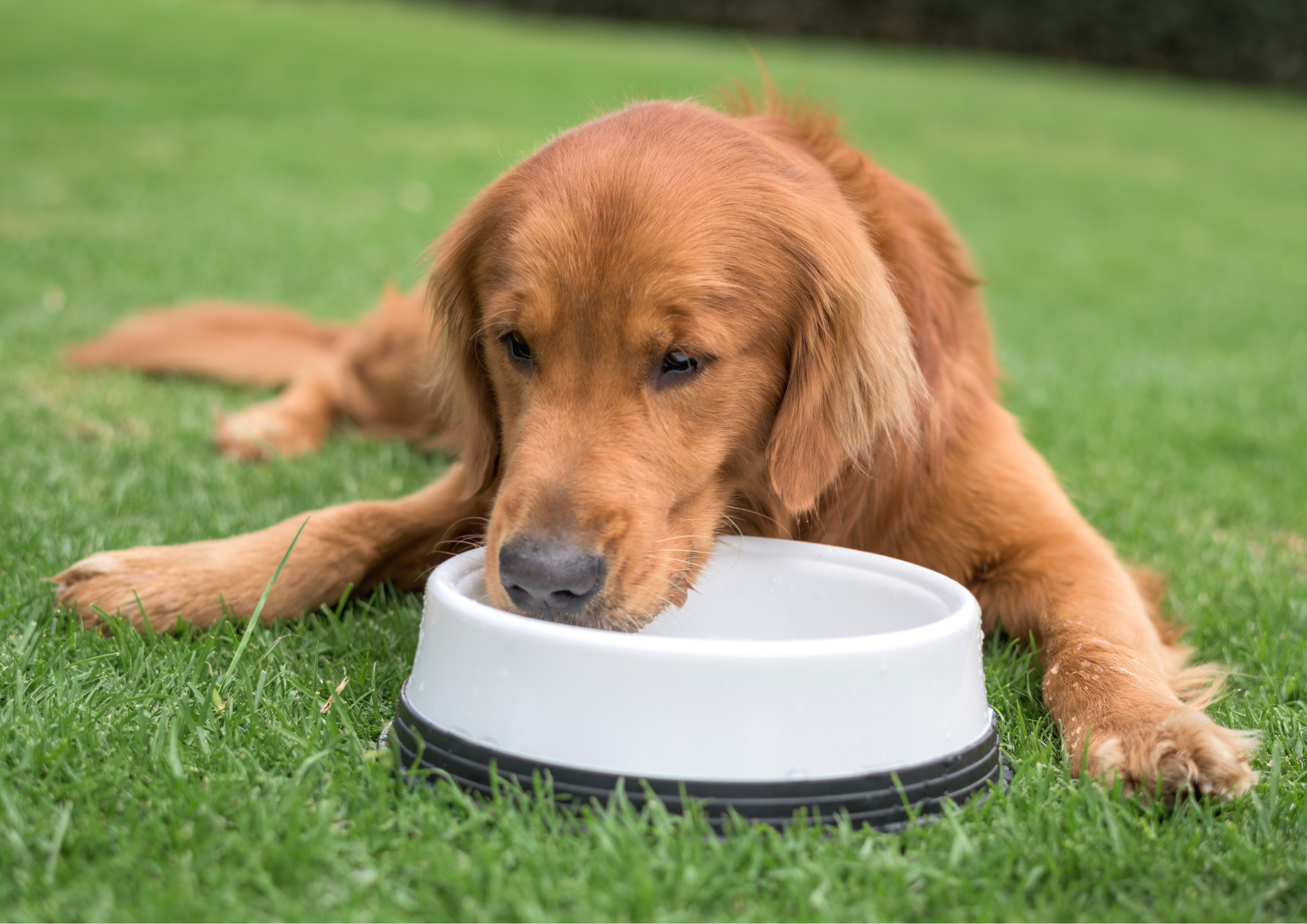
Every living creature needs water to survive. In fact, the quality of water has a high impact on health, and so it does with dogs. Water for dogs should always be fresh and clean for the body’s standard hydration ratio. The quantity they are consuming should also be good, but that doesn’t mean you force your dog to drink water. Encouraging your dog to drink enough water is the only key, and you can do it by keeping water bowls at different locations or using a non-slip mat for their bowl.
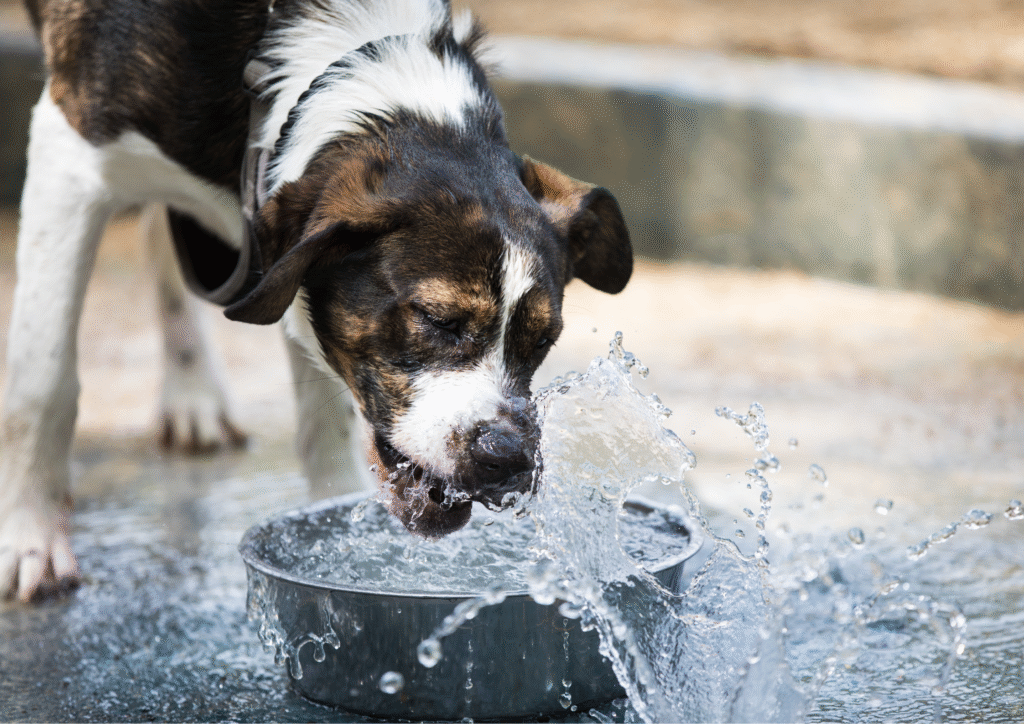
How much water is safe for dogs?
Although having a high volume of water is good to keep the body hydrated all day, the amount of water largely depends upon age, size, diet, breed, activity level, and medical conditions. Generally, a healthy dog should drink 1 ounce of water (1/8 cup) per pound of body weight each day. The standard quantity of water for dogs of smaller breeds should not be less than 800 ml – 1 liter per day, and 1000 – 2000 ml per day for larger breeds; that too mostly depends upon their weight.
Note: Always take your vet’s advice first before concluding anything.
Why do some dogs stop drinking water?
If your dog has reduced water intake, these could be reasons.
- Mouth ulcers
- Throat issues
- Weather conditions.
- Change in water quality.
- Disliking the bowl you are serving water in.
- Anxiety
- Changes in their exercise routine.
- Maybe they are worried about water bowls.
- Due to any illness or disease, and so on.
Always take the advice of your vet if you suspect any changes in the water intake of your dog.
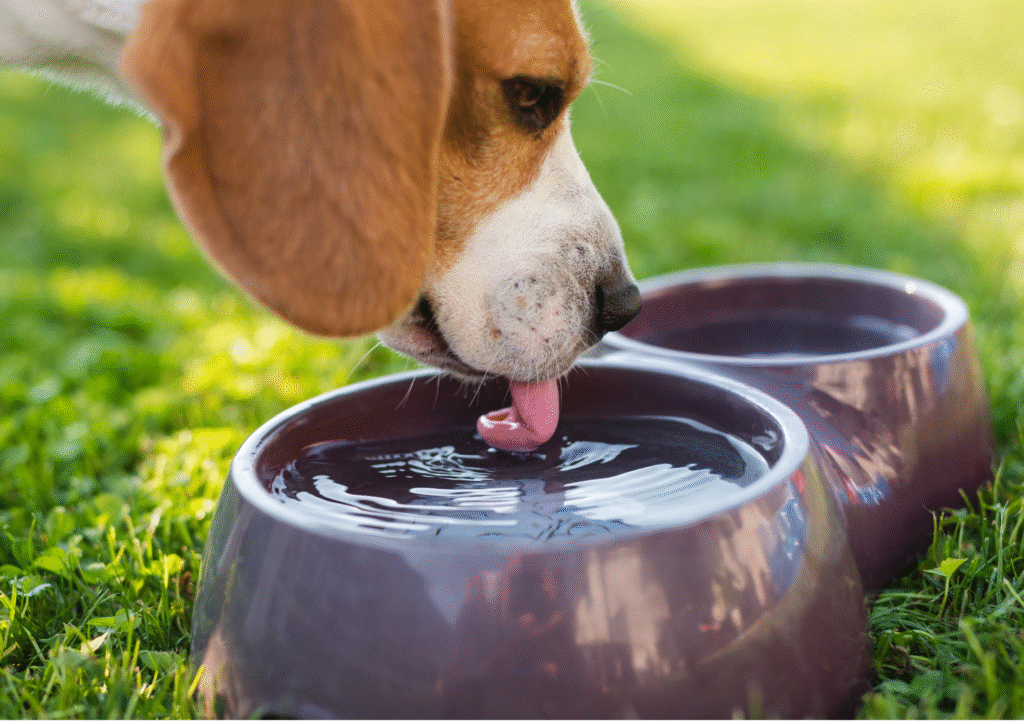
Signs of dehydration in dogs
Any dog owner waters their canine to be properly hydrated. Although symptoms of dehydration are difficult to recognize, these are the signs that you can detect dehydration in your dog.
- Loss of skin elasticity
- Low energy
- Sunken eyes
- Weakness
- Vomiting
- Dry gums
- Changes in breathing
Make sure your dog has easy access to their water bowl, and that too should be fresh and clean.
Can dogs drink from any source of water?
Despite the fact that all types of water for dogs are good, there are a few conditions, such as the drinking water should always be fresh and clean to avoid micro contaminants that can impact their health badly. If we talk about water from rivers, it is good because it is flowing water that contains essential minerals. Talking about lakes and stagnant water bodies, they are bad for health, as sluggish water might contain dirt, toxic substances, germs, and bacteria that cause diarrhea, liver damage, seizures, irritated digestive tracts, and rapid death. To ensure your pet’s safety, it’s best to change your dog’s water bowl every two hours or provide them with spring or filtered water at home.
Is it healthy for my dog to drink tap water?
Yes, tap water is generally healthy and safe for the dogs, but it should meet the standards of human consumption by local municipalities. If you want concrete solutions for drinking healthy tap water, you can install a home filtration system that should be NSF-certified. They filtered out all the contaminants that followed from the pipe.
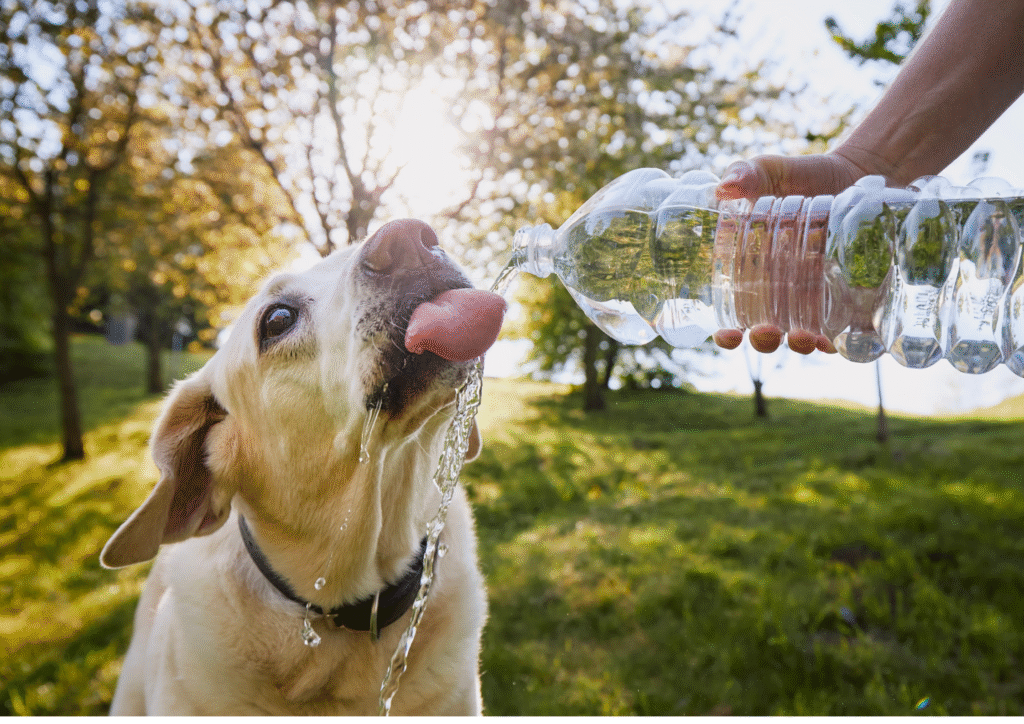
What are the best filters to use for my dog’s water?
Dog water filters are not different from humans. The best filter for your dog’s water depends upon the problem of the type of contaminants in your area and the source of water. It’s important to choose the filter that effectively removes the tiniest contaminants, such as bacteria, algae, and viruses, and still makes water tasteable for your dog with their strong filtration system.
Some suggestions from our side are:
- A pet filtered water bowl connected to a water source.
- Carbon filter pitcher.
- Fridge-based water filters and dispensers.
- Reverse osmosis whole home system.
- Gravity filter countertop water filter.
How dangerous is saltwater for dogs?
Salt water is very dangerous for the dogs. It can cause diarrhea, even if your dog consumes it in small amounts. Drinking a large amount of salt water can lead to vomiting, severe diarrhea, seizures, and fluid imbalance in the body. So, if your furry friend is drinking a lot of salt water, then there must be some serious issues on their way. Get your dog to the veterinarian immediately. According to the American Kennel Club, your dog should always have access to fresh water, even on the beach, to prevent saltwater poisoning.
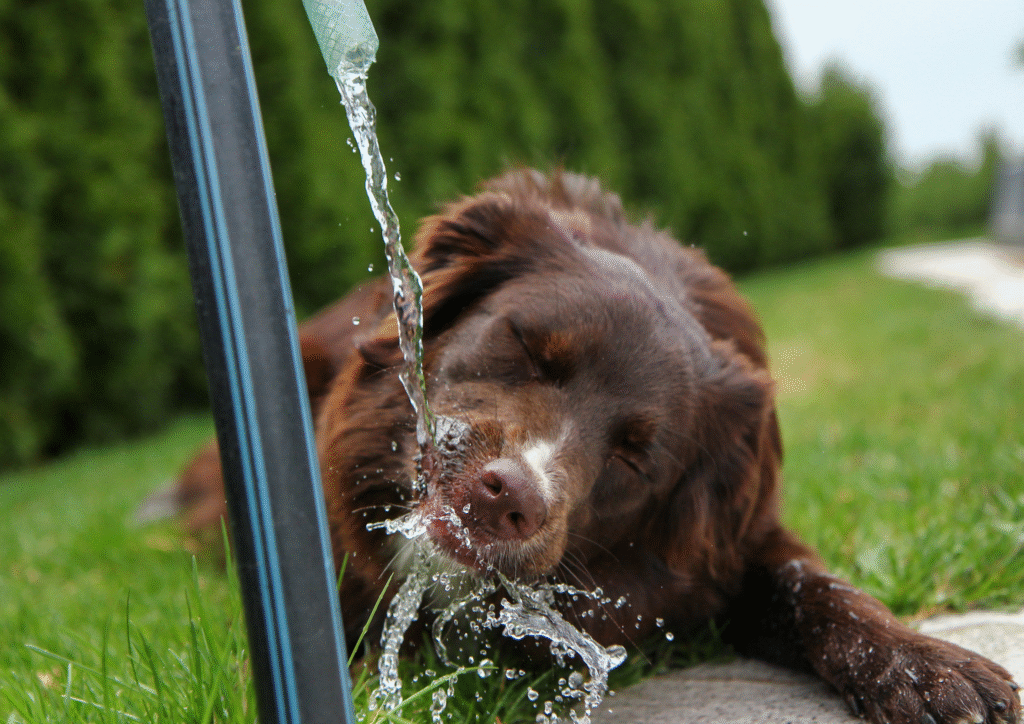
Types of water for dogs
Your dog should drink clean and fresh water, no matter the source, and if it is safe for human consumption, then it is safe for dogs too. Mainly, these water sources are considered good water for dogs.
1. Tap water
Tap water is safe for any dog breed and is preferred by most pet parents. Generally, tap water is consumed by humans because it meets the safety standards. The plus point is that it is the most favorable and cost-effective option.
2. Filtered water
Even if your tap water is not satisfying for you, then filtered water may be the best option. Filters effectively remove all the contaminants, such as excess chlorine in tap water, heavy metals, rust, and other sediments, and microorganisms from the water. Apart from this, it improves the taste and odor of water, is better for hydration, and prevents many long-term waterborne illnesses that normal water may carry.
3. Bottled spring water
Bottled spring water can also be another best choice of pet owners, as it avoids contaminants that are often found in tap water, like chlorine, lead, bacteria, etc. The only thing to remember is that your bottled water must not contain carbonation or extra electrolytes, as it would imbalance the body’s actual electrolyte content and can have a severe impact on your dog’s health.
FAQ
1. Why is cold water bad for dogs?
Too much cold water can cause stomach discomfort and even lead to serious conditions like the risk of bloating, upset stomach, respiratory issues, etc. Ensure your dog always takes normal water because as cold water is bad for humans, it is bad for dogs too.
2. Can you put ice in water for dogs?
Yes, you can put ice in water for dogs, especially in summer; it helps keep them cool and hydrated, but your offer should be in moderation. Crush the ice to prevent choking. Always supervise your dog and check for any signs of difficulty swallowing and discomfort.
3. How much water is too much for dogs?
If you are talking about too much water for dogs, then it must be polydipsia, which means excessive thirst and an abnormal increase in fluid consumption. According to polydipsia, if your dog is taking more than 100 ml per kg of body weight, that means it has noticeably elevated drinking habits that cause kidney diseases, liver diseases, and diabetes in dogs.
Final words
Water for dogs is one of the most crucial parts of your dog’s health and overall well-being. A hydrated dog’s body performs well, has a regulated body temperature, and is far from serious health issues such as dehydration and urinary infections. Your dog should have easy access to fresh and clean water. If you are ever unsure if your dog is having healthy water or not, then sip it and decide if you can drink this water or not. Water safe for humans is safe for dogs, too. Remember, don’t forget to rinse and refill their bowl often.
Read about dog urine infection here.
Read about the stages of starvation in dogs here.