
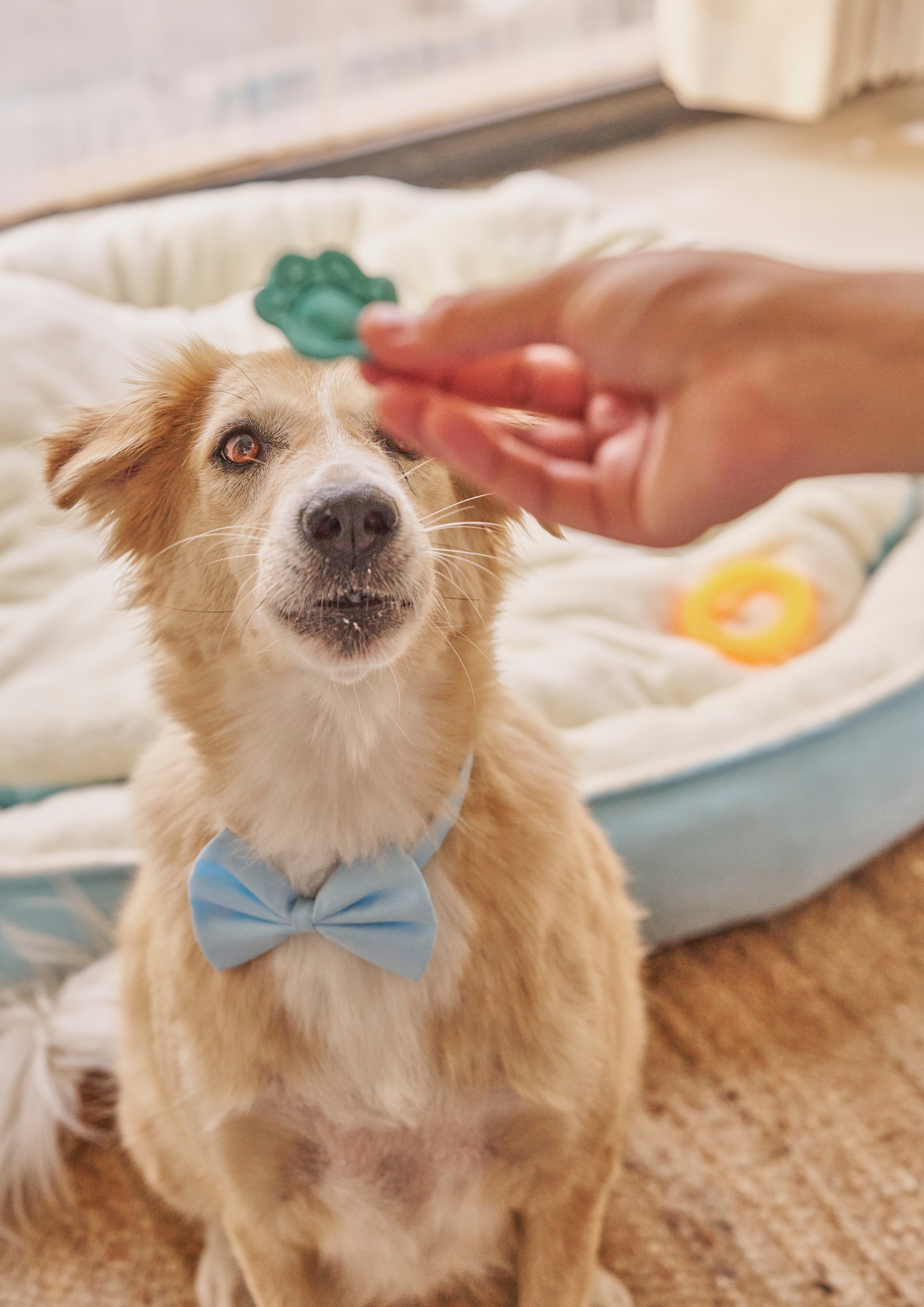
Dogs often associate behaviors with rewards when they know they will receive their favorite things for exhibiting those behaviors. Ever heard about positive reinforcement?
This dog training primarily focuses on rewarding good behaviors in dogs, rather than emphasizing when they did wrong. Here, marking in dog training plays a crucial role in developing ideal behavior in dogs. But what is marking in dog training? This article is all about marking, or clicker dog training, and how it is helpful in positive reinforcement techniques.
What is marking in dog training?
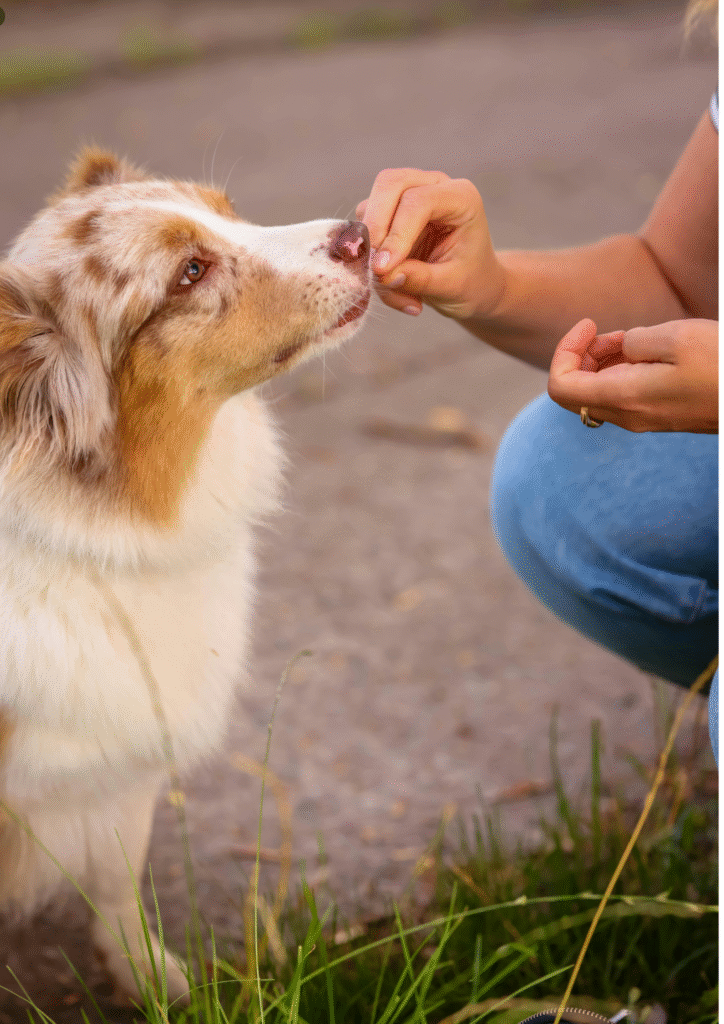
Markers or marking in dog training help to communicate with the dogs via markers and clickers. It is the most effective training system of the past 70 years. The process is a clear-cut communication that is based on positive reinforcements. In this technique, a marker that could be anything, such as words, a clicker sound, etc. That often exposes the dog whenever they instantly do something favorable. It is a motivational and fast method of learning for dogs, encouraging them to continue to do what actions they are taking in a particular situation. Not only this, but if you are hindering the mark, you are directly sending a message to your dog that you don’t like the actions they are doing without any punishment.
What is clicker training?
Clicker training is the same as marking in dog training; the only difference between the two is that in marker training, you use words or certain mouth sounds to convey to your dog that they are doing the right behavior, whereas in the clicker technique, a mechanical clicker device is added that makes click sounds in place of giving verbal markers. Both techniques are based on the science of animal learning. Animal psychologists said that the animal behaviors that are often rewarded with praise, treats, and toys are more likely to continue the actions in the future, and hearing a click sound from that mechanical device before rewarding the dog for good behaviors flips the script of teaching them with punishments. Clicker training tells your dog what to do instead of what not to do; this has an effect on how the dog chooses to behave.
In simple words, a clicker sound precisely tells your dog which behavior is rewarding. Whenever you click, each time your dog understands that this is the behavior that my owner wants me to repeat in the future. An example of clicker training: if you are training your dog to give a paw, you would click at the moment when your dog gives his paw to you.
How do you use marking in dog training?
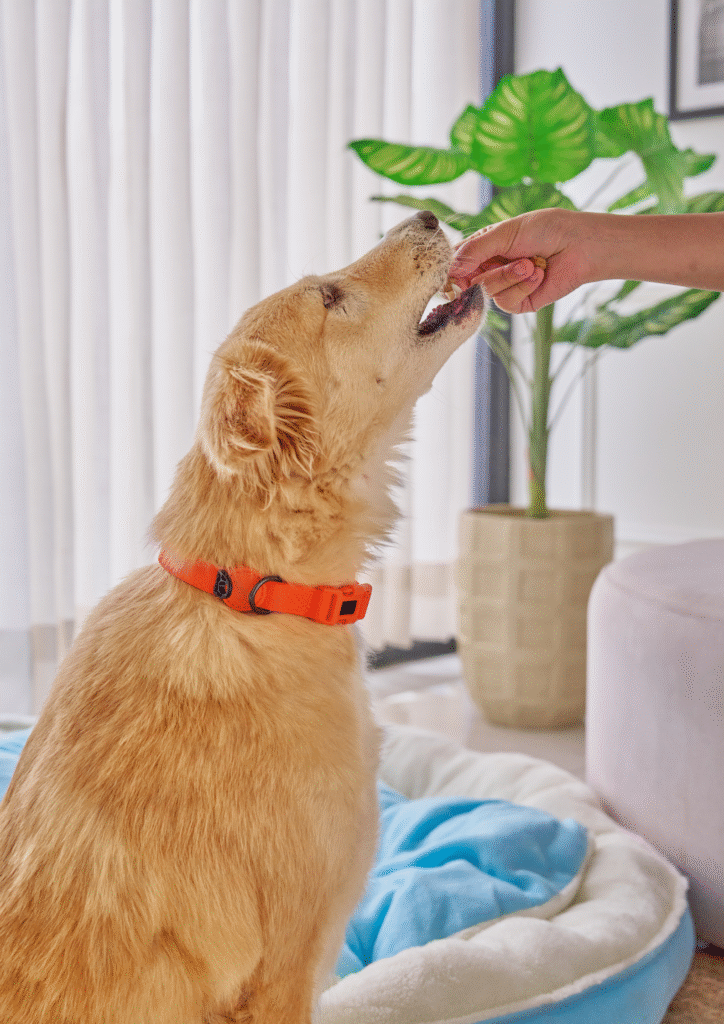
To use a clicker or marking in dog training. It is important to introduce your dog to markers and clickers. By loading a sound, you directly pair your chosen marker with a reward. But it needs to be repeated at least 20-30 times with your dog. Until they fully understand that the clicker predicts a coming favorite reward. Once they understand the meaning of clickers and markers, you are now ready to put the marking in dog training into practice.
The technique helps shape complex behaviors with baby steps via lure and reward training, where you use a reward to lure your dog to repeat the behavior you want, and the marker makes sure that the reward is coming, and this makes the clicker a great way to capture a good behavior.
If you see your dog silently sitting in its crate when the doorbell rings, immediately mark or click the action before rewarding the behavior. Or if your dog is not emotionally torturing you to give him a slice of pizza from your plate when he is already done with his meal, click at that moment and reward him for not being unnecessarily excited here.
Practicing this on each behavior, along with positive reinforcement, helps your dog learn a new behavior faster, and after some time, you don’t even need the marker anymore. Whenever you want to shape a behavior, a marker will assist you in communicating clearly with your dog that you want a particular behavior as its default behavior and not just a one-time action.
Five core words of marker training
1. “Ready”
Here, “ready” means you and your dog are about to start the training session. One thing here to keep in mind is that you always have their favorite thing as a reward before starting the training, and make sure your dog is well engaged with you; otherwise, it will not associate with any behavior or exercises. After all, getting engagement from a dog is itself a learned skill of most successful dog trainers.
2. “Yes”
“Yes” is often associated with your dog performing the action of your choice. It is a bridge between the encouragement before and the offering of the reward. Once your dog learns the meaning behind the word “yes,” he is always ready for the reward after hearing this each time from your side. It’s better to have good treats to motivate them to repeat some behaviors in the future.
3. “Good”
Here, “good” means you like the actions of your dog and you want them to continue doing them. “Good” adds duration to the command. You are teaching your dog to stay here; you will not say the command “yes” because “yes” means the release from the command. Here you add “good” to increase the duration of them staying in a position. In marking in dog training, “good” is often used a number of times to send the message to the dog to keep doing what he is doing for a long.
4. “No”
The word “no” is used as a negative marker. In marking in dogs, “No” means do it again. Suppose your dog does not follow the behavior correctly; then this command is used to tell them that they have to act all over again if they really want a high-value reward, because here, a high-value reward does not require a dog to think much about repeating the actions until it’s done perfectly.
5. “Over”
“Over” is a word that tells a dog that the training session is done for the day. When we say “over,” we should be with empty hands (no treats or toys in hand); it helps your dog to understand that now training is finished and we should continue our daily routine. This command also needs practice, but with time, the meaning will be clear to your dog. By using “Ready,” we start our training sessions easily, and with the command “Over,” we finish the training without any hurdles.
Final words
Overall, marking in dog training is truly a beneficial technique to teach the dog the right behavior without forcing or giving any punishment to them. Markers and clickers are pillars for positive reinforcement techniques that foster the training in all distractions and situations, but before you start any training, your dogs need to know what a clicker and marker are first, as this is the very first step to make the training successful.
Note: Adding a high-value treat works as a cherry on top in these trainings.