
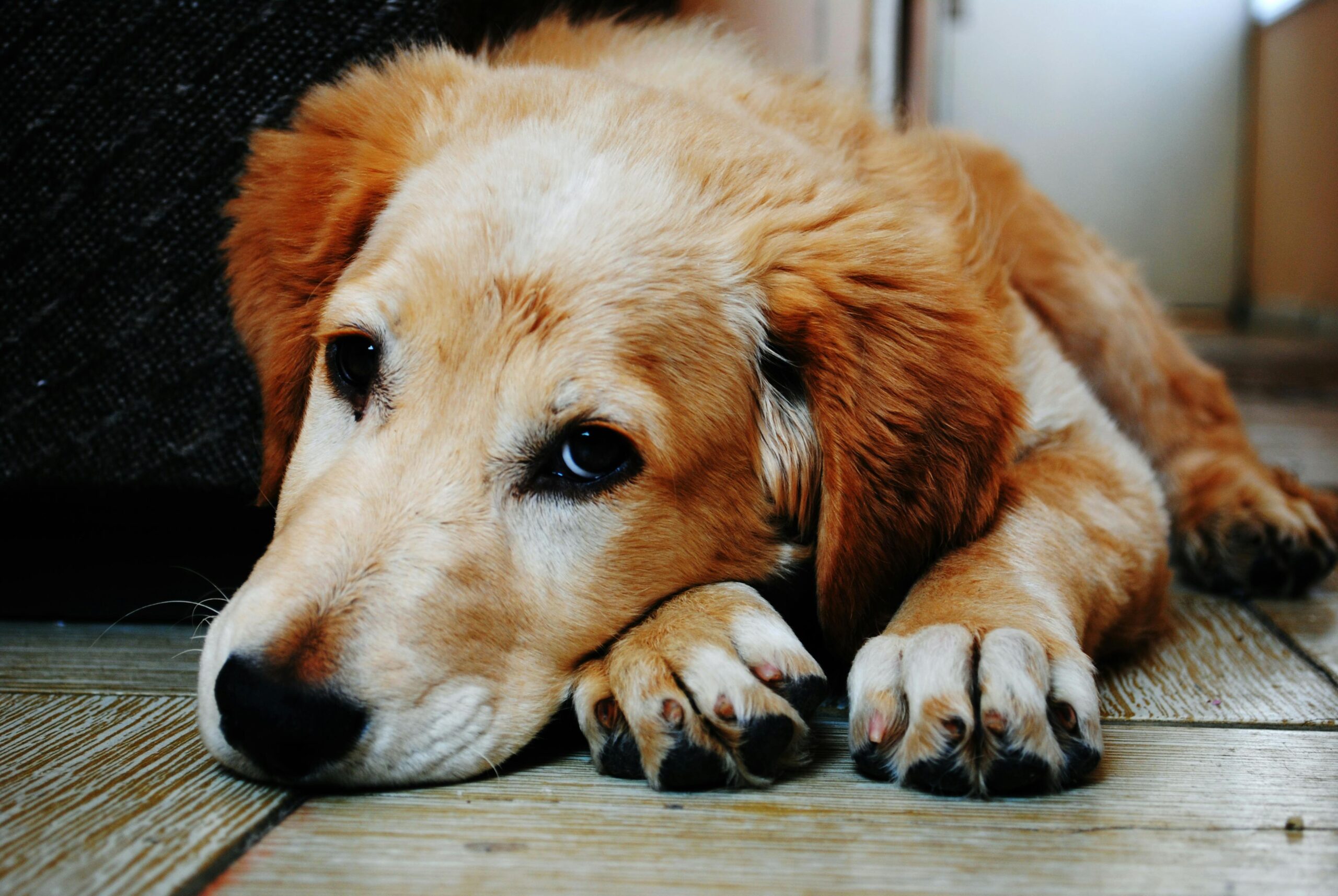
Dog urine infection is a common problem affecting all dog breeds worldwide. It is mainly caused by the bacteria typically detected around the skin near the rectum, as well as in the hair around the rectum and near the urethral openings. It is estimated that around 13-15% of dogs are infected with a urinary tract infection.
If your dog breaks the in-house training, then there should be something wrong with their bodies. Even many well-mannered, trained dogs do this, and the reasons are generally dog urinary tract infections.
Generally, they are less spread through the bloodstream. A dog urinary infection occurs when bacteria enter the bladder through the urethra and infect the sterile urine, thereby growing and reproducing and causing a urinary tract infection. In more advanced stages, they also develop stones inside the bladder.

Dog urine infection symptoms
- Dysuria or painful urination
- Frequent urination
- Bloody urination
- Increased thrust
- Bad odor of urine
- Genital discharge
- Passage of a minor amount of urine is sometimes seen as dribbling.
- Swelling in the genitals.
- Licking the genital region
- Straining to urinate
- Inability to hold urine
- Cloudy urine
- Fever
- Discomfort and pain while passing urine
- Lack of appetite and lethargy
Causes behind dog urine infection
Dog urine infections are generally caused by the bacteria found on the rectum or skin near the rectum and external urethral opening. Main bloodstream, fungal, and viral infections are less common causes.
The most common bacteria involved in dog urinary tract infections are
- E. coli
- Staphylococcus
- Streptococcus
- Proteus spp.
- Enterococcus
- Enterobacter
- •Klebsiella spp.
Other bacteria, such as Mycoplasma spp. and Corynebacterium, also cause UTIs in dogs, but they are less common.
Females are more prone to UTIs than males, but any breed and age can be affected by this. It is easier to treat UTIs in younger dogs because middle-aged or older dogs that are mainly suffering from diabetes mellitus, kidney disease, or Cushing’s disease are at higher risk of kidney infection, sepsis, and kidney failure.
Certain breeds that are at higher risk of developing urinary tract infections are
- Poodles
- Dalmatians
- Shih Tzu
- Bichon Frises
- Yorkshire Terriers
- English bulldogs
- Labrador retrievers
- Miniature Schnauzers
- Dachshunds
How can you tell if your dog has a UTI?
A UTI can be detected by its simple physical symptoms, such as your dog straining to pee or frequent urination; it will cry or whine when peeing due to the possible pain and discomfort, it may break the in-house rules and accidentally urinate inside the house, too much licking of genitals, lethargy, strong fever along with strong odor of urine, and bloody urination. Casual dog urine infections can be solved by veterinarian-prescribed antibiotics.
Can a dog’s UTI heal on its own?
No, a dog’s UTIs do not heal on their own and require immediate medical treatment. It develops a serious infection in the kidney and may cause sepsis and other health issues if left untreated. Only a veterinarian can diagnose the condition and its cause and typically prescribe antibiotics for some minor infections. It is advised not to wait for something terrible to happen with your dog or let them live in pain and discomfort; always call a vet if you find symptoms of an initial dog urine infection.
Can I treat my dog’s UTI without going to the vet?
No, you can’t treat your dog’s UTI at home. Only a veterinarian can diagnose the urinary symptoms and provide appropriate treatment. Although it is said that cranberry is a flavonoid that stimulates a dog’s immune system and helps with UTIs, similarly, marshmallow root, parsley leaf, and couch grass may also help with the dog’s UTI at home, but there is no strong evidence of these treatments. Don’t rely upon them; they only worsen the UTI infection and may spread faster. Also, don’t give your dog suggested or leftover medication at home in an attempt to treat the dog’s urinary infection by yourself.
How Veterinarians Diagnose UTIs in Dogs
Veterinarians diagnose methods as follows:
• Through thorough physical examinations such as examining them from head to toe, listening to the heart and lungs with a stethoscope, looking for eyes and ears, monitoring weight, and feeling lymph nodes on organs within the abdomen.
• Execute the rectal exam to palpate the prostate and distal urethra in male dogs.
• Touch the abdomen to check if there is any pain in the bladder and nearby areas.
• Check the dog’s genitals and urinary tract to detect any physical signs of infection and inflammation.
• Perform a musculoskeletal and neurologic exam to check if your dog has neurological conditions such as difficulty walking, inappropriate mental activity, trembling, muscle tremor, disorientation, and seizures, because these conditions make it challenging for a dog to urinate properly.
• Perform multiple diagnostic tests such as urinalysis (examination of urine samples), cystocentesis (collecting urine by inserting a needle directly into the bladder), urine culture and sensitivity (it detects the bacteria involved behind the infection and helps to determine which antibiotics will be most effective in the following condition), X-rays and ultrasounds (to detect the presence of bladder stones, growth, and other abnormalities), and blood tests (to check any underlying diseases contributing to the infection such as diabetes mellitus).
Dog urinary infection treatment
Mainly, there are three types of treatments involved in a dog’s UTI infection, depending on the condition of the infection.
1. Medication
Veterinarians may prescribe broad-spectrum antibiotics for casual infections that may extend from several days to weeks, according to the need.
2. Surgery and dissolution diet
If the veterinarian detects bladder stones or crystals, they perform surgery or a dissolution diet to eliminate certain kinds of bladder stones and crystals from the body.
3. Chemotherapy or intense surgeries
This condition arises when the dog has developed a cancerous mass or ectopic ureter. Then the veterinarian simply removes the extended mass through chemotherapy and surgery.
Final words
Although dog urine infection is a common problem, that does not mean you can solve it at home. The condition requires proper diagnosis and treatment through a veterinarian only.
Make an appointment with the vet when you detect any UTI infection symptoms. Don’t try to treat your dog at home with home remedies or give suggested medications from anyone; this can only worsen the condition and make your dog more vulnerable than before.
Read about the best dog breeds in India here.