
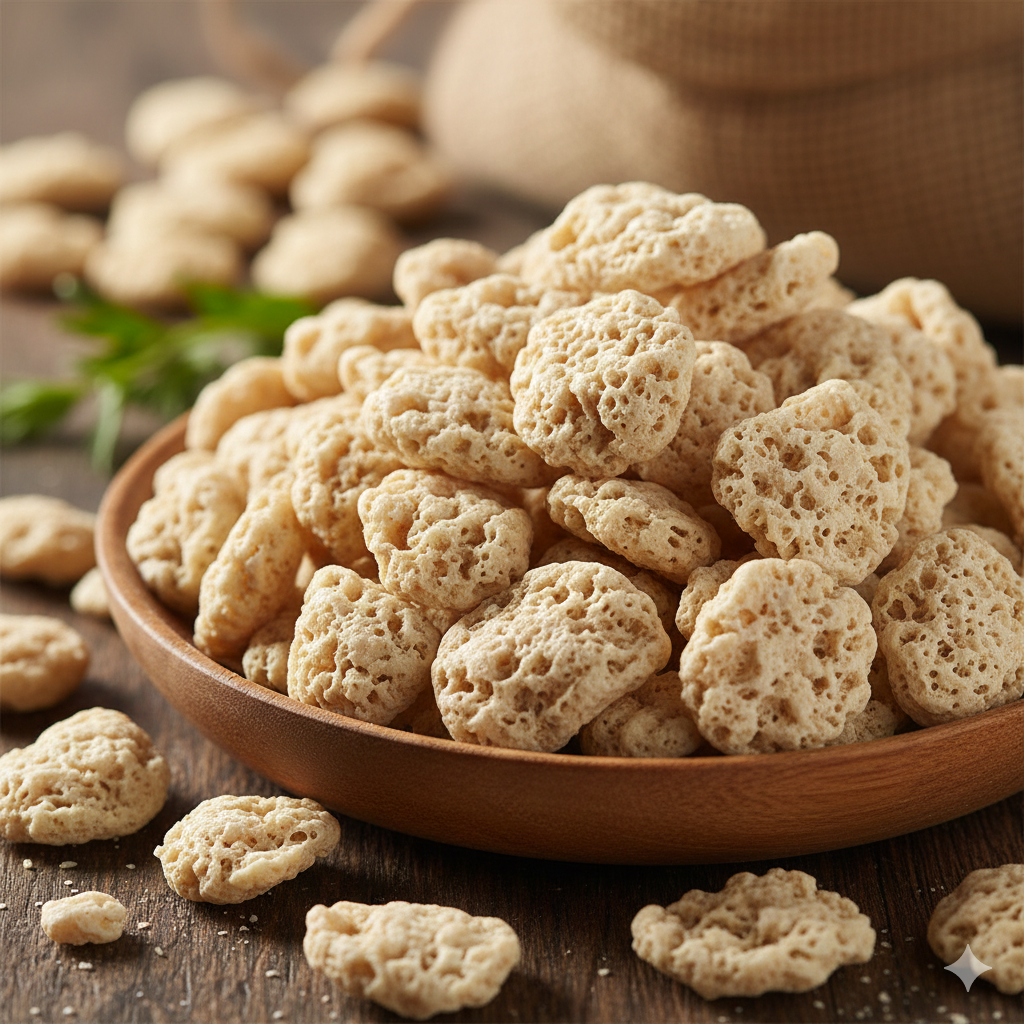
What are soya chunks made of?
Soya chunks are generally made of defatted soy flour, a byproduct of extracting oil from soybeans. They are a high-protein meat substitute also known as soya nuggets.
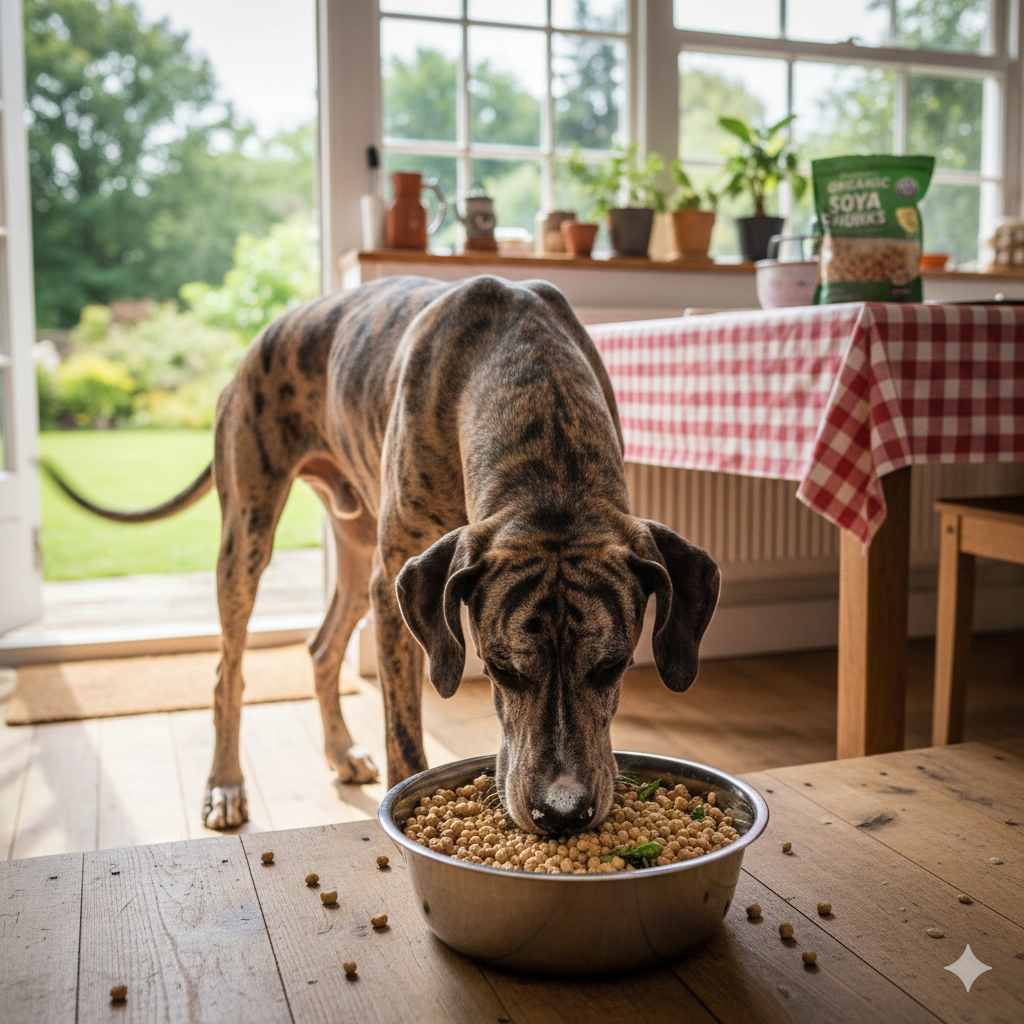
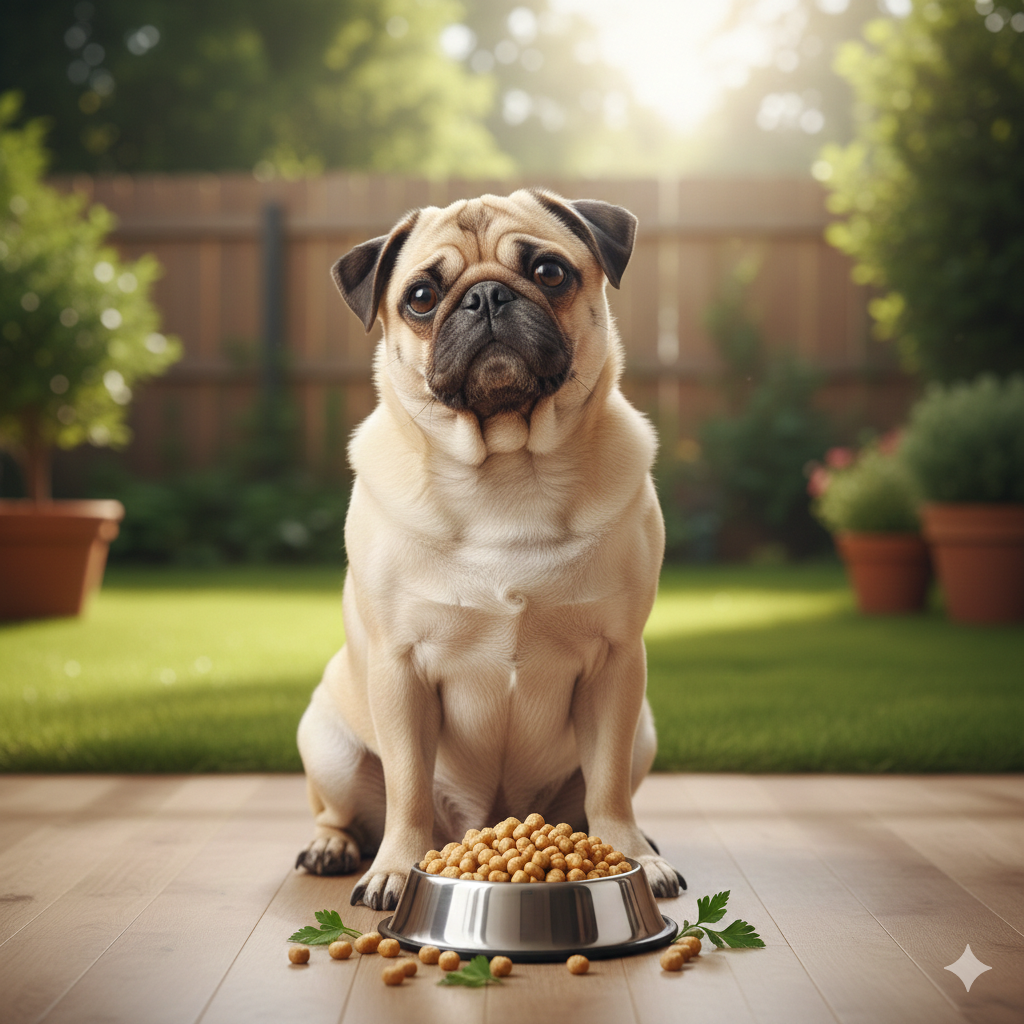
Can dogs eat soya chunks safely?
Yes, dogs can safely eat soya chunks if given in temperate proportions.
Is soy risk-free for dogs?
Soy is not completely risk-free for dogs. Yes, they are a good source of protein and other nutrients. Still, they also carry potential health risks, including certain allergies, digestive issues, thyroid interference, kidney and bladder stones, and some hormonal effects.
Can dogs easily digest soya chunks?
The answer to the initial question, “Can dogs eat soya chunks?” Yes, but soya chunks are not easily digestible for dogs due to the presence of a sugar named oligosaccharides. This causes a lot of gas, bloating, and allergies if they are sensitive to soy, and it is a huge nutrient blocker.
Health benefits of soya chunks for dogs
- It is a plant-based complete protein source that contains essential amino acids, vitamins, and minerals in sufficient quantity.
- For those who do not prefer their dog to rely upon a non-vegetarian diet, soya chunks are the best replacements for meat for them.
- It is also a budget-friendly, healthy option for dogs.
- Their high fiber content supports smooth bowel movement and promotes healthy digestion.
- Due to low fat content, it is the best option for weight management in dogs.
- Soya chunks are a cholesterol-free vegetarian protein source that supports cardiac health and regulates sugar in the blood.
Can Dogs Eat Soya Chunks? How to Feed Them to Dogs Safely
Yes, dogs love soya chunks a lot. You can feed your dog soya chunks via the proper cooking method and in perfect proportion.
• Proper cooking method
According to the unleashwellness.co Soak the soya chunks in water for around 30-45 minutes until they get soft. Then rinse it well 2-3 times until all the water and excess starch run out of the chunks. The next step is to boil them in plain water for around 20 minutes and serve the finely chopped, soft, and spongy chunks with pumpkin and other vegetables without the addition of any salt and spices, as they are toxic to dogs. (Remember: Soaking and boiling are essential, as they remove the factors that cause gas and bloating in dogs after having a soy diet.)
• Portion size for dogs
Even though “can dogs eat soya chunks” is answered delicately, moderation is still the key. Portion controls are important in any canine diet.
Did you all hear about the 10% rule?
This means treats and homemade diet additions should not take 10% of your dog’s daily diet proportion. Also, if your dog has no sensitivities to soy, you should rotate it or follow an alternative-day serving with other veggies and commercial food to make sure your pup is getting an array of nutrients in its diet.
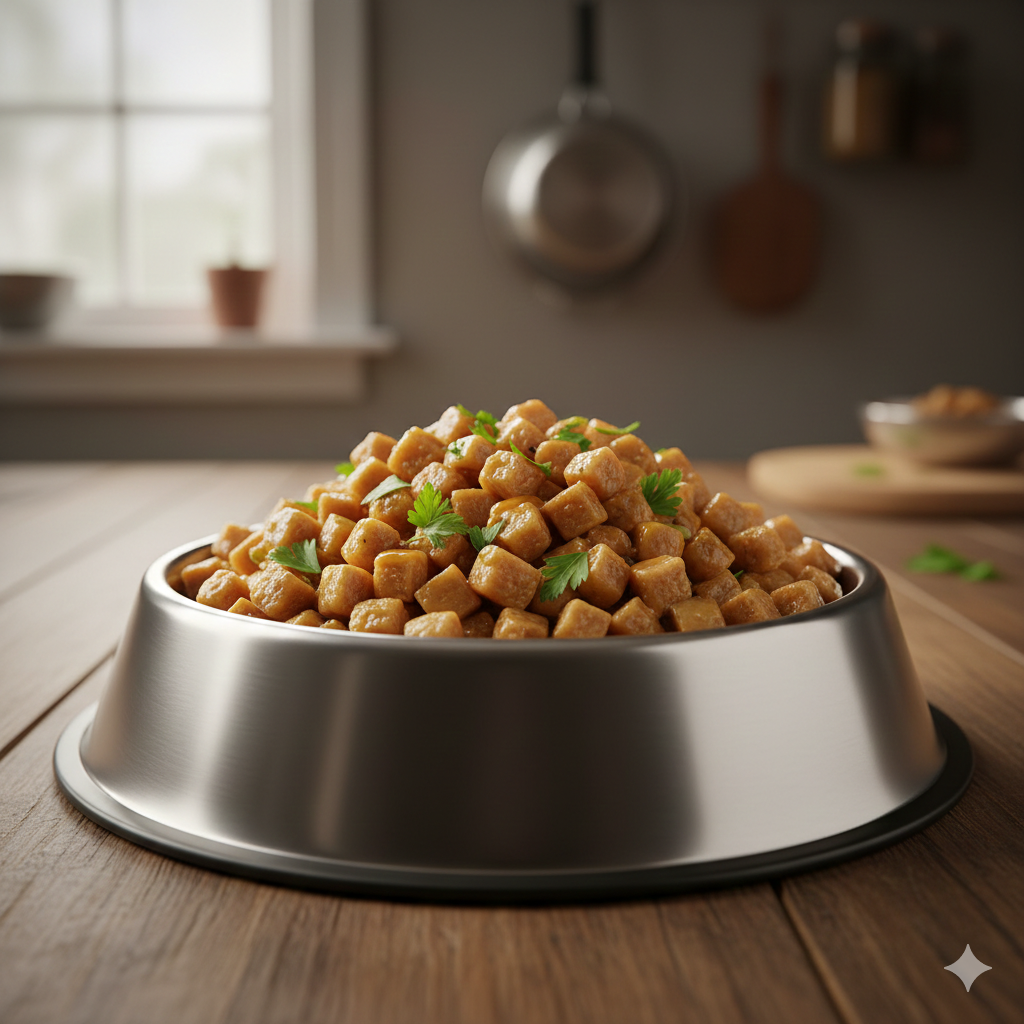
Things to remember while feeding soya chunks to your pooch
• Minutely Hydrate
Don’t serve raw soya chunks to your dog; it will cause a stomach ache or several digestive issues. Soak them for at least 1 hour in water or broth until they get fluffy and triple to its original size.
• Finely chopped
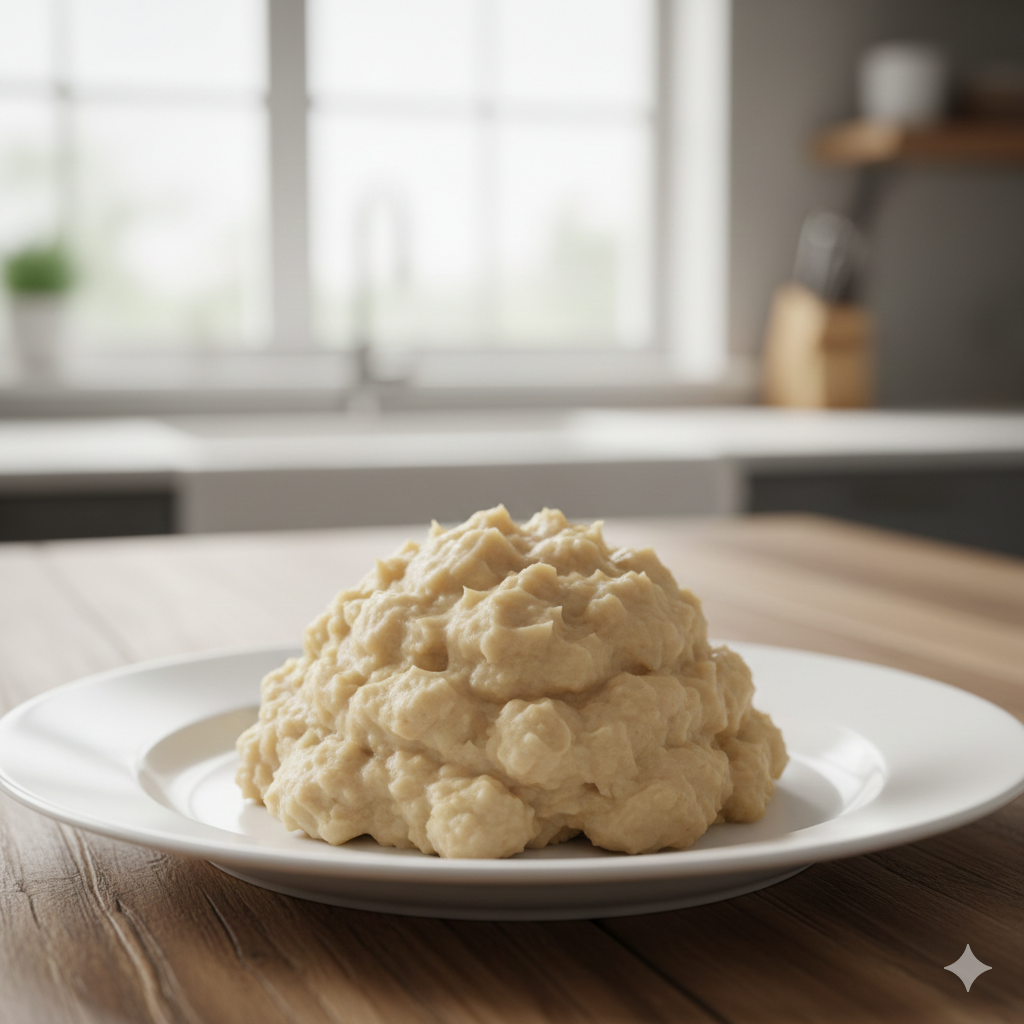
Chop or mash the boiled soya chunks before serving them to your dogs to avoid choking or other intestinal issues.
• Introduce steadily
Offer soya chunks steadily to your dog, watch for signs and symptoms of digestive issues and allergies, and then only increase the amount in their diet.
• Moderation is the key
Always provide soya chunks in moderation. Remember, it is just a small part of their meal and cannot replace the whole protein in their diet.
• Vet advice
Always consult your vet while planning your dog’s diet. Especially puppies, senior dogs, and dogs with health issues.
Signs your dog is not tolerating soya chunks
There are several ingredients that are often involved in allergies in dogs, like beef, chicken, dairy, egg, wheat, and soy.
According to the American Kennel club Common signs of soy intolerance in dogs are
- Vomiting and diarrhea
- Tender stomach or abdominal pain
- Weight loss
- Flatulence
- Lethargy
- Rashes and hives
- Red and inflamed skin
- Excessive scratching and itching.
- Chronic ear infections
- Hair loss
- Licking of the paws more than usual.
- Respiratory problems
- Certain mineral deficiencies
- Restricted muscle growth due to poor protein absorption.
FAQ
1. Can dogs eat cooked soya chunks?
Yes, dogs can eat cooked soya chunks, but it should be in moderation and free from salt and other spices, as it induces many digestive issues in dogs.
2. How to make soya chunks for dogs?
Soya chunk preparation is very simple. You just need to rinse the chunks in water 2-3 times and then boil them in plain water; the chunks are ready to eat with other vegetable combinations like pumpkin, potato, peas, etc. Please note: do not use any spices in your dog’s diet, as they are not good for their health.
3. Can dogs eat soya chaap?
Yes, dogs can eat plain soya chaap free from oils, spices, and salt to avoid digestive issues like gas, bloating, and vomiting. Providing them with boiled and mashed plain chaap is the best way to feed them this plant-based protein.
4. Can dogs regularly eat soya chunks?
No, Dogs cannot eat soya chunks daily. Despite being high in protein and fiber, it can strain on the dog’s digestion if fed regularly. Soya chunks are good as occasional treats, not as a daily diet.
Final words
So, can dogs eat soya chunks? Yes, dogs can eat soya chunks and soya chaap, as this is one of the best plant-based proteins rich in fiber, healthy fats, and minerals. Preparation plays an important role here; always serve them soaked, boiled, and finely chopped, never raw or spiced. When fed in moderation, they can be the best alternative to other proteins needed for weight management and are highly cost-effective for pet parents.
Read about sugar for dogs here.
Read about why dogs like chocolate here.