
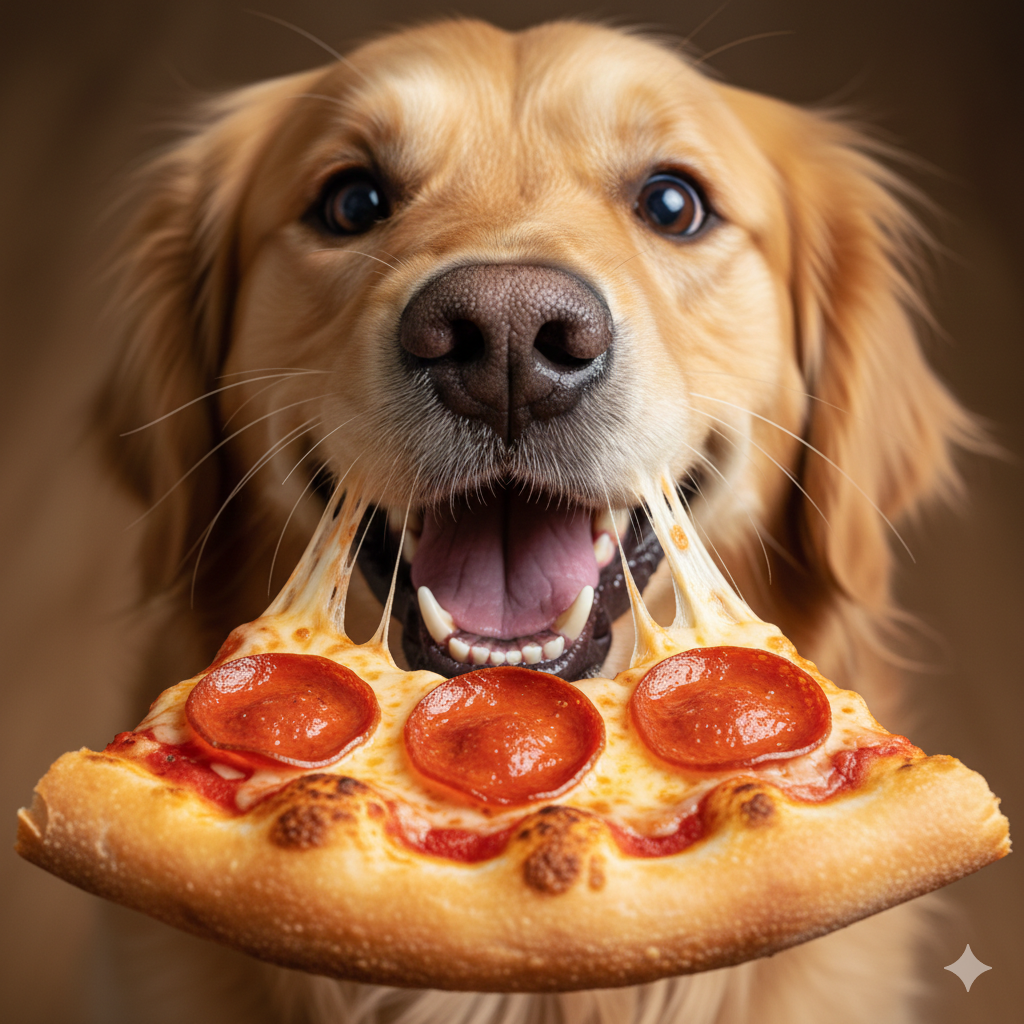
You often see pet parents share their food with pets as an expression of love to strengthen the bond. We don’t want to hurt those cute, big, desirable eyes that beg for what we eat, but always responding to their begging behaviors can sometimes become a big trouble for your furry friend. Many pet parents often ask, ” Can dogs eat junk food? And the answer is no. Their metabolism is not meant to digest these high-fat and high-calorie foods. Even small amounts might cause stomach upset, and regular consumption can lead to obesity and serious metabolic issues.
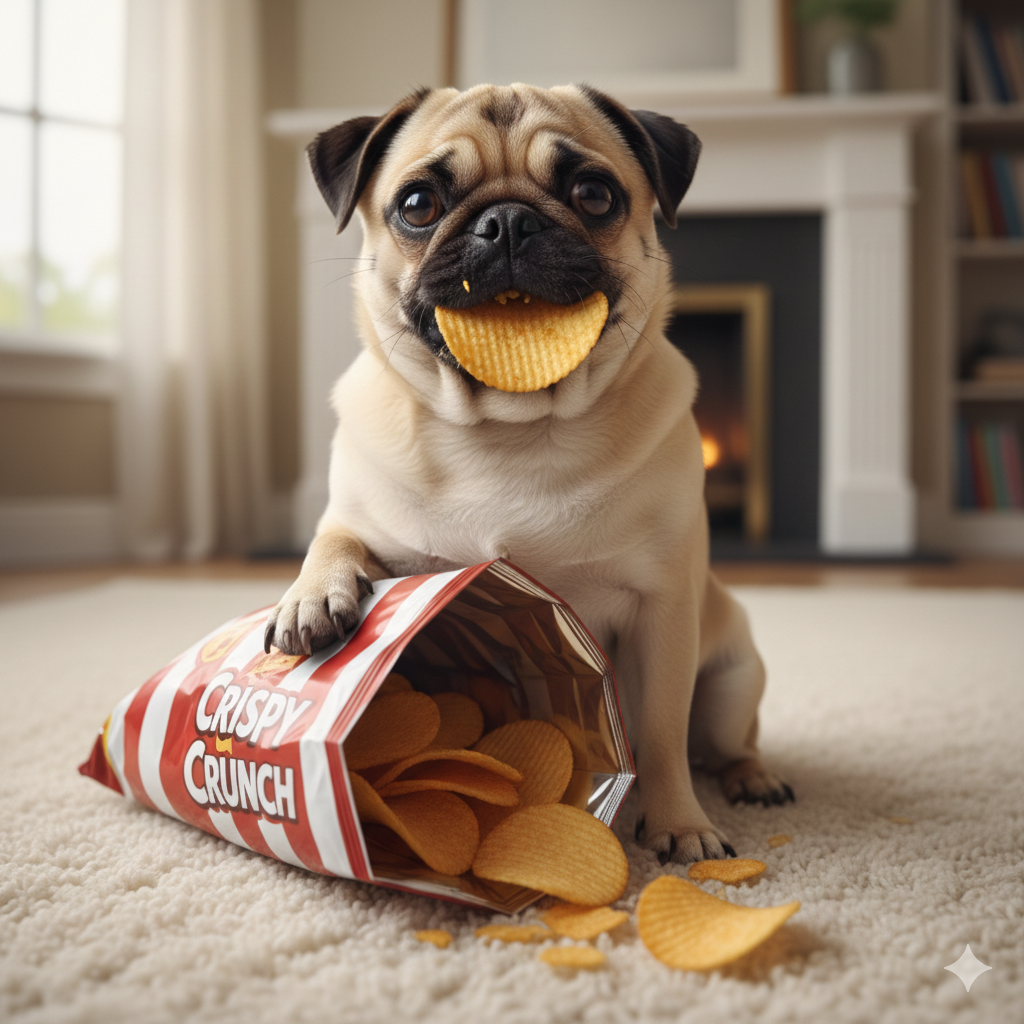
What is junk food?
According to Wikipedia, Junk food is described as food that is high in fat, calories, and sodium and low in dietary fiber, protein, and vitamins, providing pleasure to the consuming animal but having no nutritional value in it. Candy, salty snacks, soft drinks, ice cream, processed cheese, donuts, and processed meats are all junk foods that should be strictly avoided in a dog’s diet.
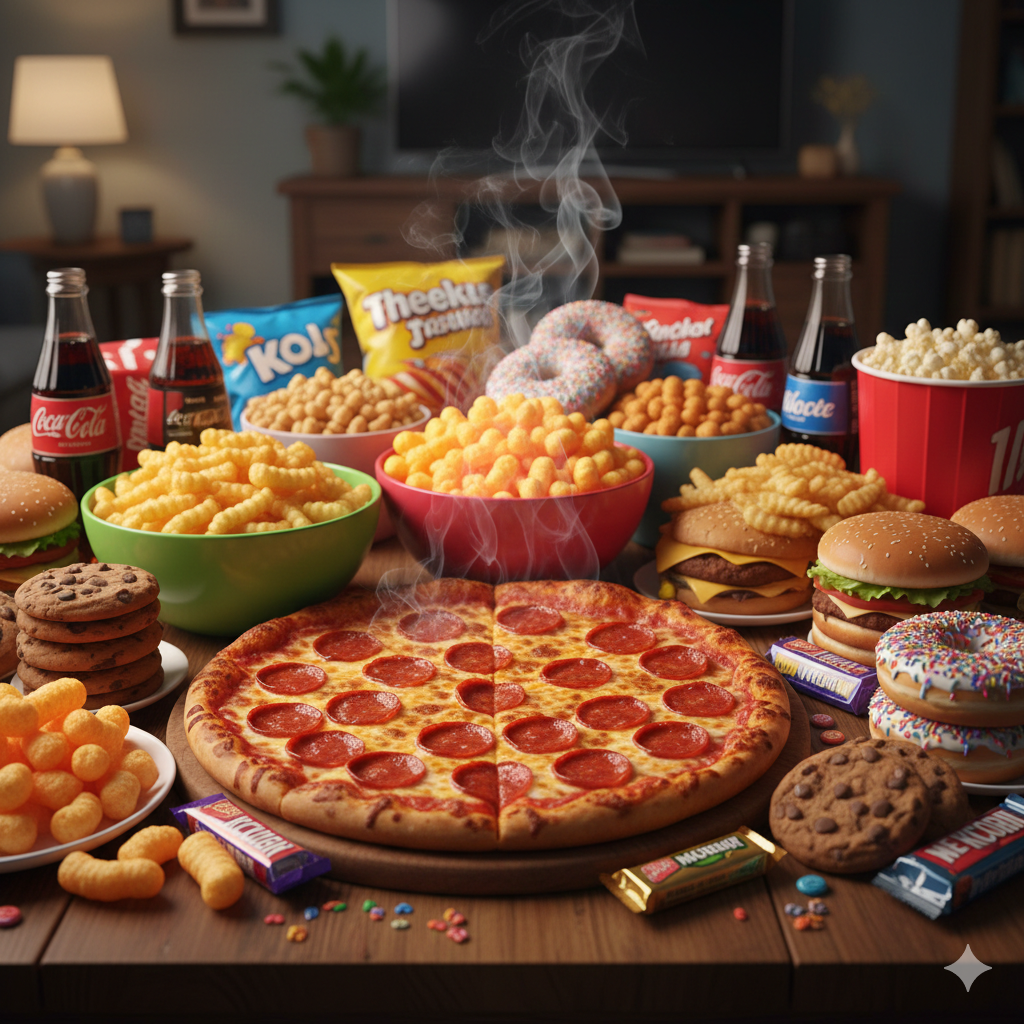
Common junk food includes:
- Processed snacks like chips, cookies, and candies, etc.
- Fast food like pizza, burgers, and hot dogs, etc.
- Sugary desserts like cakes, pastries, etc.
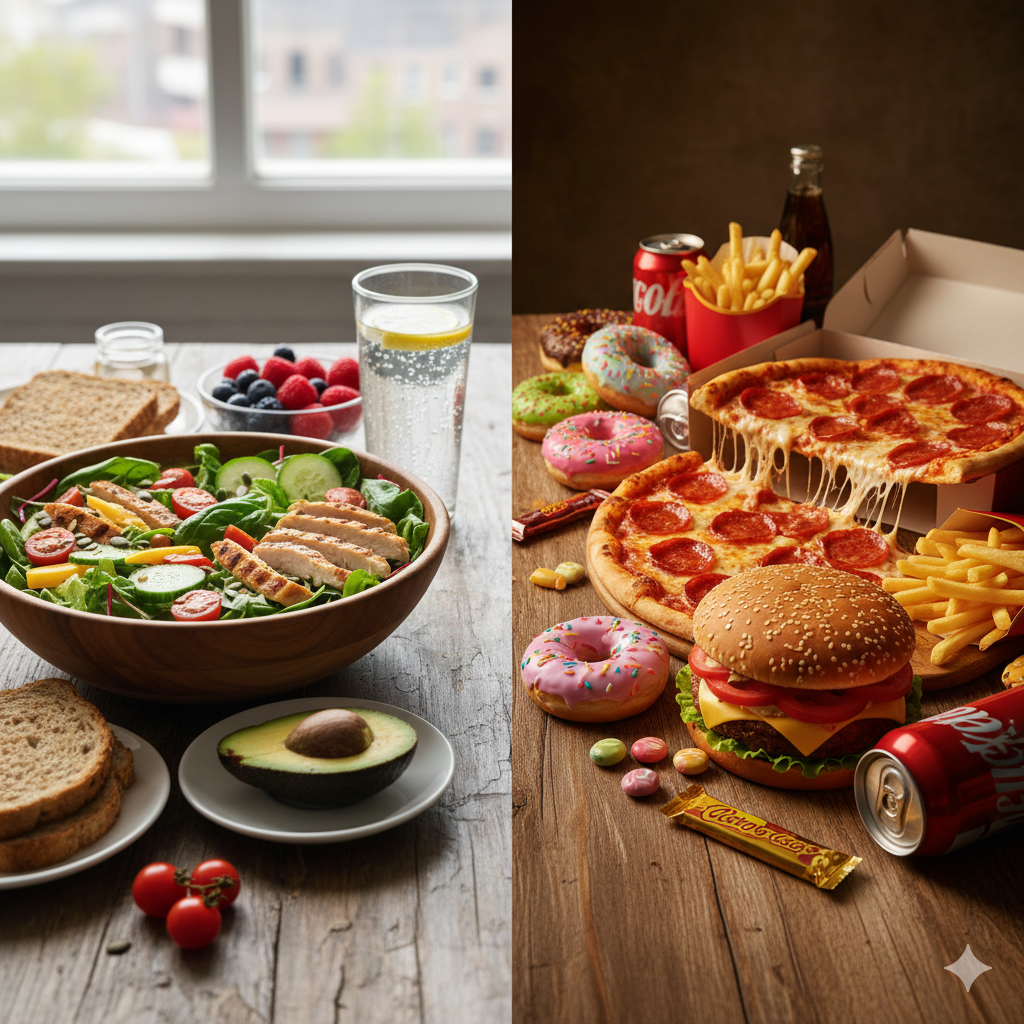
The difference between healthy food and junk food for dogs
Many pet owners ask, “Can dogs eat junk food?” Especially when dogs are begging for chocolates, fries, and biscuits. Before offering them the food item, it is important to understand the difference between healthy food and junk food for dogs.
Here are the differences:
• Healthy foods are natural and rich in essential nutrients, vitamins, and minerals, whereas junk foods are often processed, generally low in nutrients, and high in empty calories.
• Healthy food has high fiber and low added sugar, whereas junk food has low fiber and high added sugar.
• Healthy food contains healthy fats. Whereas junk food contains unhealthy saturated or trans fats.
• Healthy food helps in weight loss, increased energy, and better sleep, whereas junk food leads to obesity, makes a person lethargic, and causes serious heart diseases.
• Overall, healthy food is beneficial to health, whereas junk food is harmful to health.
Can dogs eat junk food?
No, dogs should not eat junk food, as these processed foods are high in fat, sugar, and salt, leading to severe health issues like obesity, diabetes, toxicity, and pancreatitis. Junk food offers no nutritional value to the dogs.
Is a small bite safe? Can dogs eat junk food occasionally?
A small, immediate bite is safe for a healthy dog, but it should not be frequent. Occasionally, your dog can consume these super addictive foods, but it is not advisable. These foods are high in fat, salt, and sugar. Additionally, they have some toxic ingredients that a dog cannot digest, like onion, garlic, and xylitol, which may cause serious health issues for your pooch.

What happens if dogs eat junk food?
When asking, “Can dogs eat junk food?” or “What are the aftereffects of dogs frequently eating junk food?”It is important to remember that regular consumption may lead to many serious health issues. Let’s discuss them in detail.
1. Obesity
Just like humans, excessive intake of calories and high fats leads to obesity in dogs, and it is difficult to manage once weight is gained.
2. Diabetes
A diet rich in sugar and unhealthy fats makes it difficult for a dog to maintain optimal blood glucose levels and thereby makes your canine friend highly diabetic.
3. Nutritional deficiency
Junk food has officially no nutritional value, and if the dog is consuming it very often, it prohibits the health and regular development of a canine companion.
4. Toxic ingredients
Many ingredients that are found in junk food are either toxic or fatal for dogs, such as garlic powder, onion powder, spices, and xylitol, which may lead to serious illnesses and even unnatural death.
5. Digestive issues
Junk food is not digestion-friendly for humans; how can it be healthy for dogs? Consuming too much junk food disrupts their digestive system, leading to gastrointestinal distress like vomiting, diarrhea, and abdominal pain.
6. Pancreatitis
A high-fat and high-sugar meal triggers inflammation of the pancreas. It is a painful and acute or chronic life-threatening illness that is a leading cause of pancreatitis in dogs.
7. Garbage gut
It is a pathological and fatal condition also known as toxicosis. Garbage gut happens when a dog consumes spoiled, moldy, and fatty table scraps, causing severe vomiting, diarrhea, and dehydration in them.
8. Salt poisoning
High-salt snacks such as French fries and burger patties can cause excessive thirst and frequent urination, which leads to neurological imbalance, tremors, and seizures in dogs of all ages.
9. High blood pressure and heart disease
Junk food with high sodium causes a dog’s body to retain excessive water in blood vessels; this leads to high blood pressure.
10. Nutritional deficiencies
Junk food provides no nutritional value to the body, and if the dog is consuming it frequently, it causes several nutritional deficiencies in them.
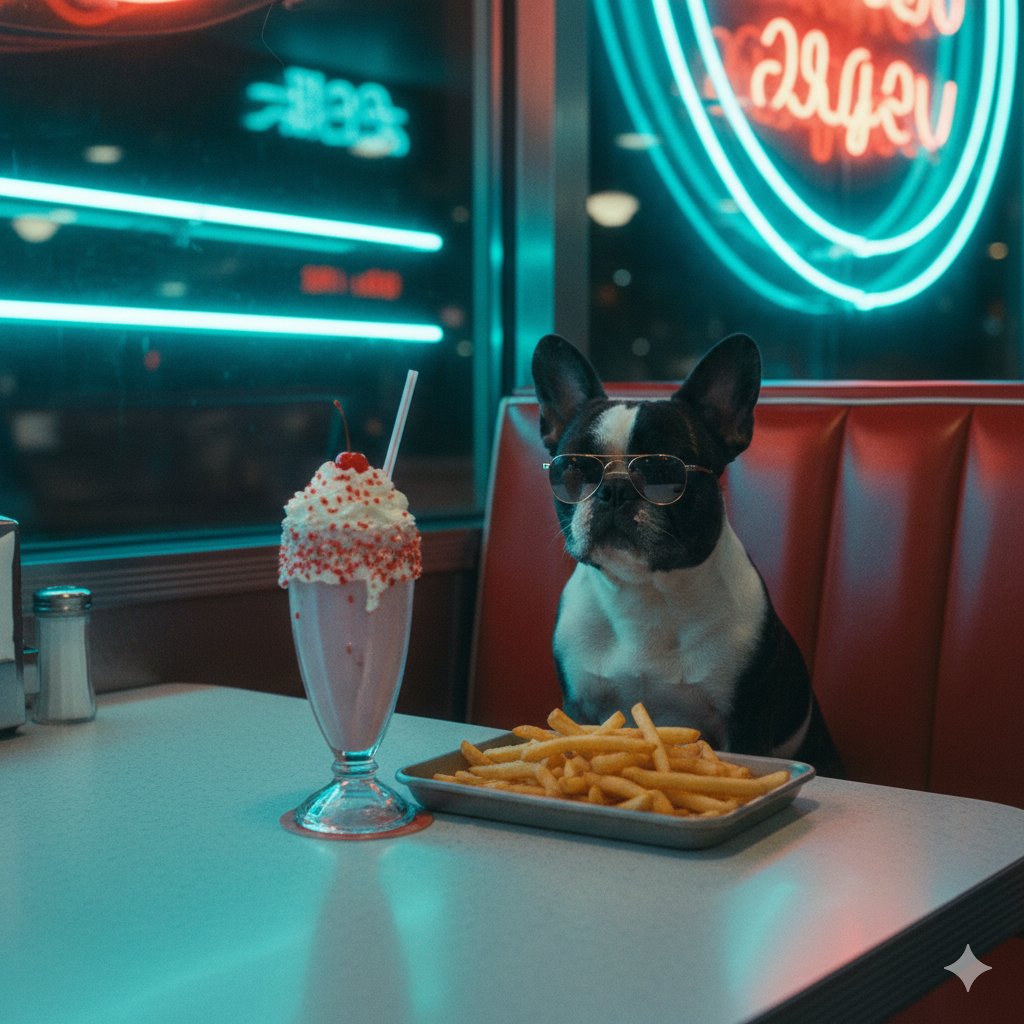
How to share food with your dog?
If you are asking, can dogs eat junk food? The answer is a big no, but if you still want to share the food with your dog, keep these things in mind.
1. Whether it’s your dog’s regular food or any fancy food (junk food), remember to serve it in moderation. Never make a habit of giving spoiled food to your dog.
2. Spices, salt, and sugary foods should be strictly avoided. It’s best to serve them plain cooked dishes.
3. If you want to introduce any new food to your pet, then do it gradually and increase the quantity only if that food does not give trouble to your dog’s health.
4. Check for toxic ingredients that are either harmful or fatal to your dog, like onion, garlic, xylitol, and dark chocolate.
5. Consider healthy homemade or vet-approved food for your dog. Replace junk food cravings with high-quality dog treats.
FAQ
1. Can dogs eat junk food once a week?
No, dogs should not be fed junk food even once a week. Junk food is designed for humans, not for pets. Yes, you can give them just a bit to taste, but frequent feeding is not approved by veterinarians.
2. Is street food safe for dogs?
No, street food is not safe for dogs. First, these are high-salt, high-sugar, and fatty foods. Secondly, even if you want to spoil your dog a little, these foods are not even hygienic. It may cause serious health issues with the dog’s liver and digestive system.
3. What human snacks are safest for dogs?
Vegetables like potatoes, carrots, pumpkins, and green beans are safe snacks for dogs. Fruits like bananas, apple slices, and blueberries are healthy for dogs. Occasionally, you can serve them yogurt or cheese, but that too in moderation.
Final words
Pets are just like our kids, and we want to give them all the happiness they want, but if you are asking if my dog is begging for fast food, can dogs eat junk food, or not? The answer to your question is no. Not every food that is designed for human digestion is digested well by dogs. Junk food comes with many serious health issues if you feed it to dogs and cats; instead, use high-quality treats that are convenient for dogs of all ages, homemade dog-friendly baked biscuits, or vegetables to shut down their instant cravings every time they watch you eat junk food.
Read about can dogs eat soya chunks here.