
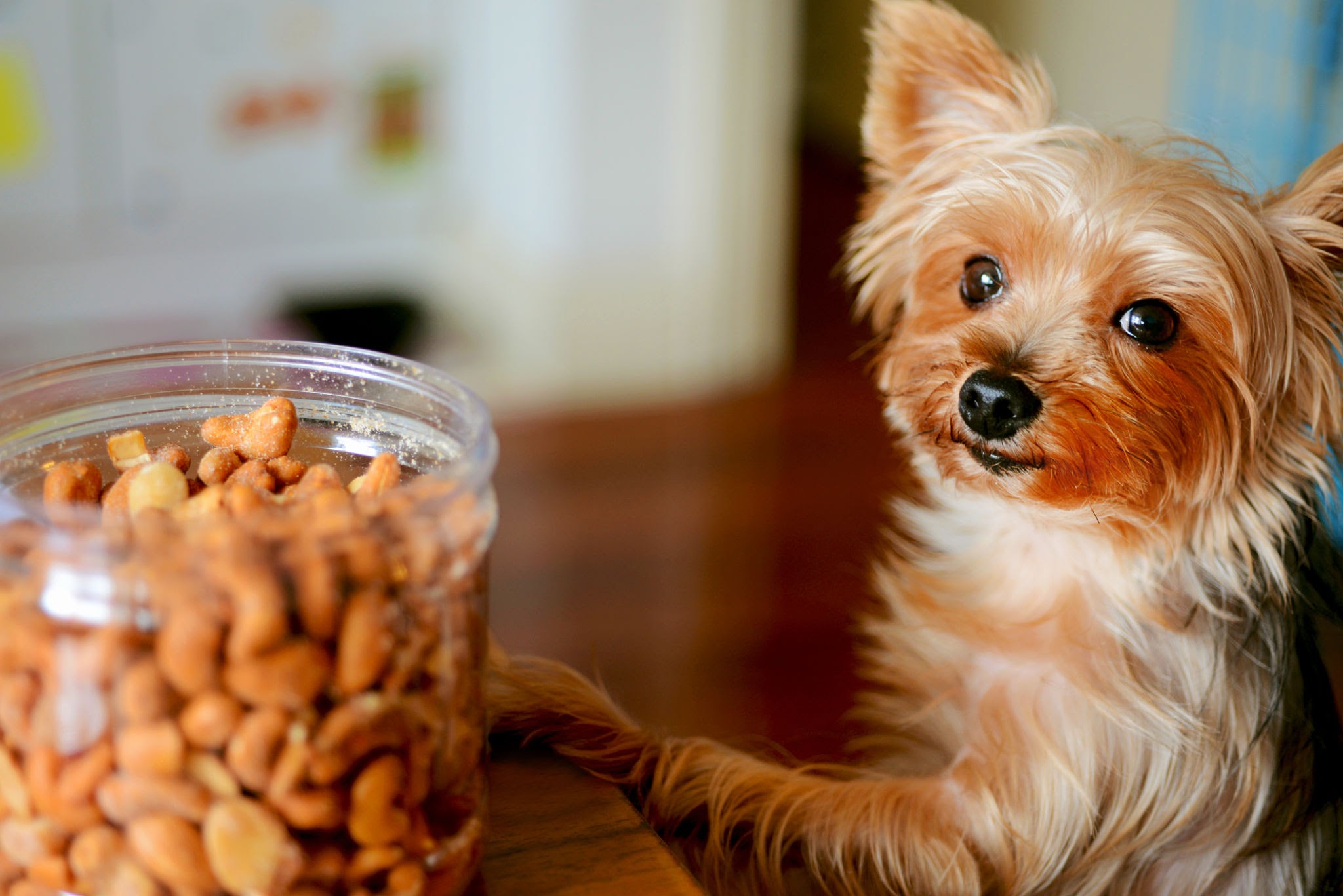
If you are asking is it safe for a dog to eat a nut, then here is the answer: Not all nuts are bad for dogs. The toxicity of nuts depends on the type and quantity of nuts you are giving to your dog. Even dog-friendly nuts can be hazardous to their health if fed in excess.
Is it safe for a dog to eat a nut? – Brief explanation
Different nuts have different properties and impacts on dogs. Nuts seem like a tasty treat for your dog, but some nuts have high toxicities to canines. Nuts have a high fat content that can cause pancreatitis, a condition in which the pancreas becomes inflamed and irritated, often resulting in vomiting, diarrhea, and lethargy in dogs. Some nuts are even coated with chocolate, garlic, salt, and spices, which can cause additional problems, such as gastrointestinal upset and intestinal blockage, for dogs.
Understanding your four-legged nutritional needs
It is said that a balanced dog diet should contain a uniform amount of proteins, fats, vitamins, carbohydrates, minerals, and water. Nuts should not comprise more than 10% of calorie intake to maintain a healthy nutritional diet and prevent weight gain. As nuts are high in fat, phosphorus, and sodium, they are not needed in the regular diet of a dog. You can still give them occasionally as a treat.
What nuts are dogs allowed?
Before feeding any nuts, it’s important to ask, is it safe for a dog to eat a nut? as only a few nuts are considered canine-friendly. Selective nuts have a lot of health benefits for dogs. Healthy nuts for dogs are peanuts and chestnuts.
• Peanuts
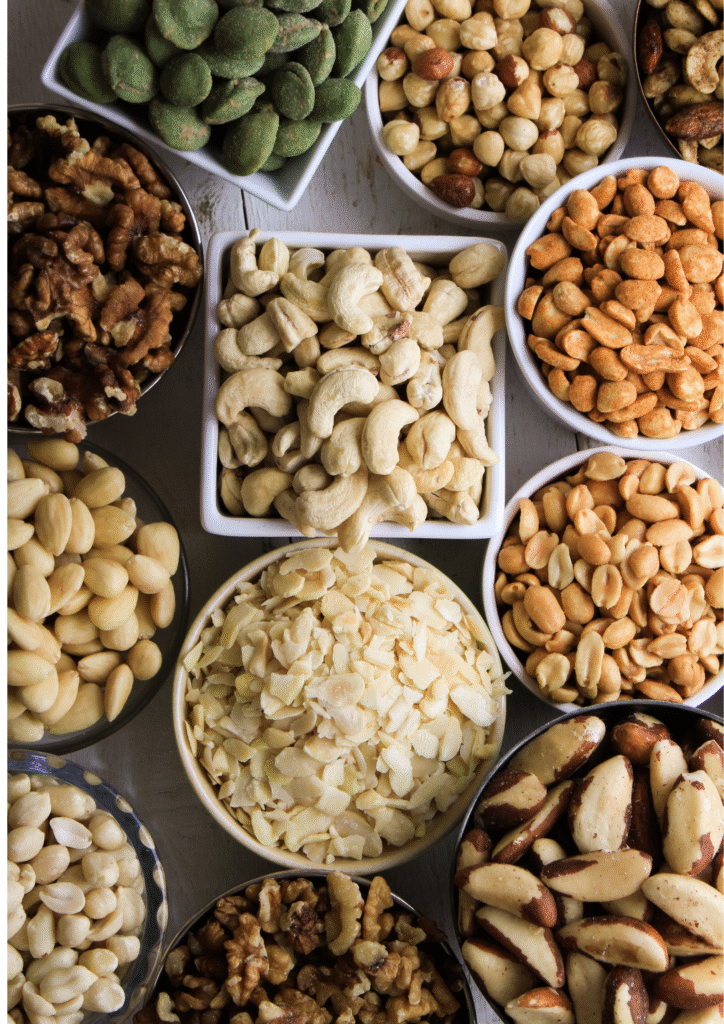
Peanuts are loaded with protein, which is not only good for humans but for dogs, too. Peanuts also contain an amino acid called arginine that produces nitric oxide; this helps in blood circulation, which eventually reduces the risk of heart disease in dogs. Peanuts can be used as a treat for dogs, but they should be given in small quantities, as they have higher fat content.
Can dogs eat peanut butter?
According to the American Kennel Club, yes, dogs can eat peanut butter. They are a rich source of protein, vitamin B, vitamin E, and vitamin B3 (nicotinic acid or nicotinamide). Market-based peanut butters contain salt, which is not good for dogs, so make dogs’ peanut butter at home, as they do not contain extra sugar and other additives. Remember, don’t spoil your dog with too much peanut butter because it leads to weight gain and other health complications. Take advice from your vet if the dog is diabetic before feeding peanut butter.
• Chestnuts
It is definitely a favorite treat of your pooch. Chestnuts are rich in fiber, which is good for dog digestion, plus chestnuts are a good source of vitamins B1 and B2, vitamin C, copper, and iron. Unlike other nuts, they are a welcoming treat for dogs, but they are full of fats and carbs, so they should also be given in small quantities to your furry friend.
Nuts to hide from your dog
• Cashews
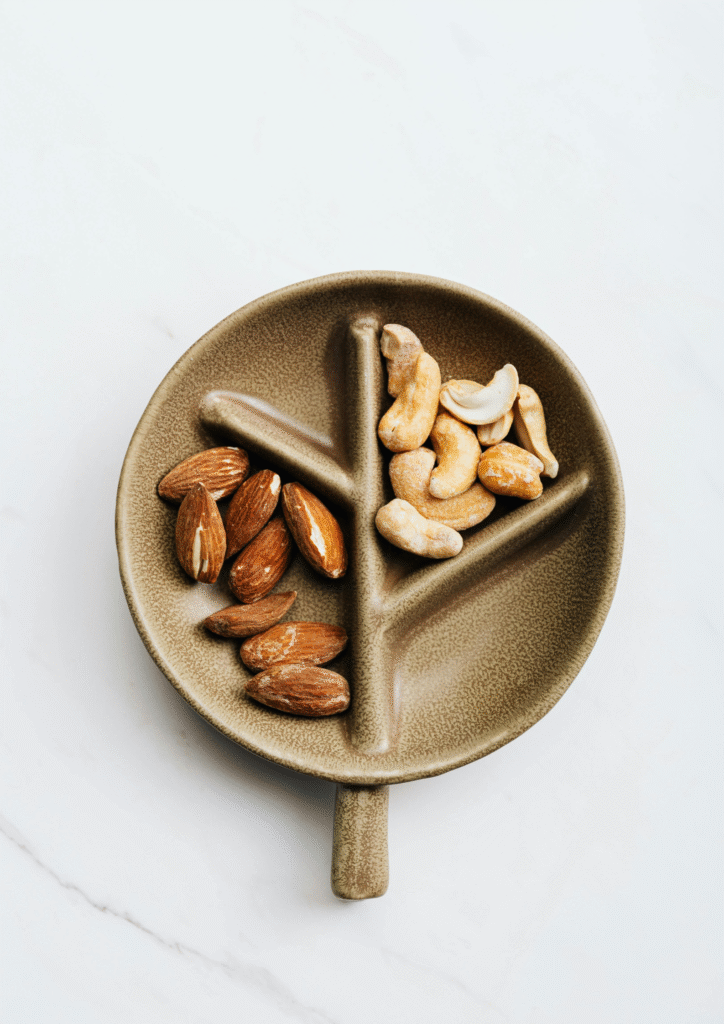
No, cashews are not bad for dogs if given roasted and in moderation. Repeated use of cashews, even as a snack, can cause obesity or pancreatitis in dogs. Nuts have the potential concern of being a choking hazard, but cashews are soft, so it reduces the chances of choking and intestinal blockage. Still, you need to supervise your dog while feeding them cashews.
• Walnuts
Walnuts are risky for dogs. They have a high chance of intestinal hindrance and abdominal irritation. Walnuts are more harmful for dogs because of their moldy tendency. The dog may suffer from seizures and other neurological issues if it consumes moldy (fungus) walnuts.
• Pecans
Pecans might be the first choice for humans when it comes to dishes made from nuts, but they are not good for dogs. Moldy pecans have a carcinogenic mold named aflatoxin produced by Aspergillus fungi that causes serious damage to the liver and easy bruising/bleeding. This may increase the chances of liver cancer and even sudden death.
• Macadamia nuts
If you are wondering if it is safe for a dog to eat a nut like macadamia nuts, then the answer is strictly no. According to research by the ASPCA National Animal Poison Control Center, these nuts are noxious for dogs. There are many registered cases of dog poisoning where owners complain about their dogs having eaten macadamia nuts and experiencing severe symptoms like vomiting, shaking legs, fever, and diarrhea. Contact a vet if you suspect your pooch has consumed even a small amount of macadamia nuts.
• Pistachios
Pistachios are a favorite for most humans, but are harmful for dogs. Like pecans, it is prone to mold that produces aflatoxin, which is risky for your dog’s liver. Pistachios have a chance of being choking hazards; it doesn’t matter if they are shelled or not, and as they are high in fat content, pistachios have a chance of causing gastrointestinal distress and obesity in dogs.
• Almonds
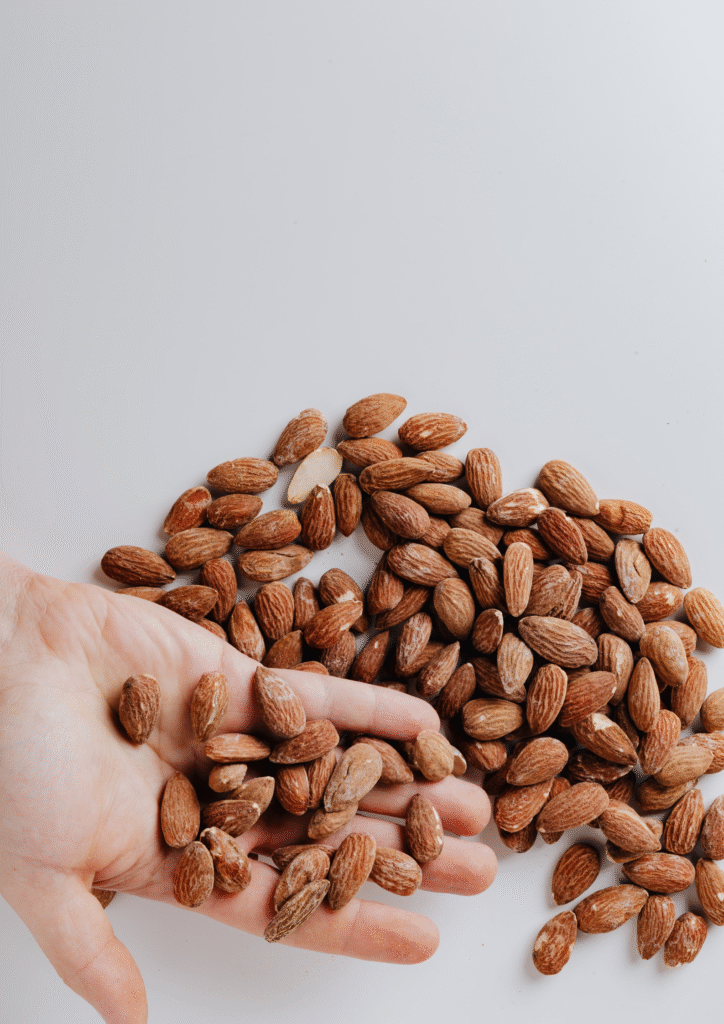
Almonds are not suitable for dogs, not because they are toxic to them, but because their digestion is slow in dogs. Even unsalted almonds are not good for dogs. Due to their hard shell, they are a choking hazard, which makes them not easy for dogs to swallow. It is fatal if not treated correctly.
• Hazelnuts
Theoretically, hazelnuts are not toxic for dogs if given in a controlled amount. They are suitable for dogs if they eat a couple of uncoated and unsalted hazelnuts, but due to their size, they are also a choking hazard or may cause irritation in the throat and obstruction in the intestines if gulped quickly. So, it’s best not to give them raw; you can either make dog recipes of hazelnuts, which are salt and sugar-free, to elevate your pooch’s mood.
• Brazil nuts
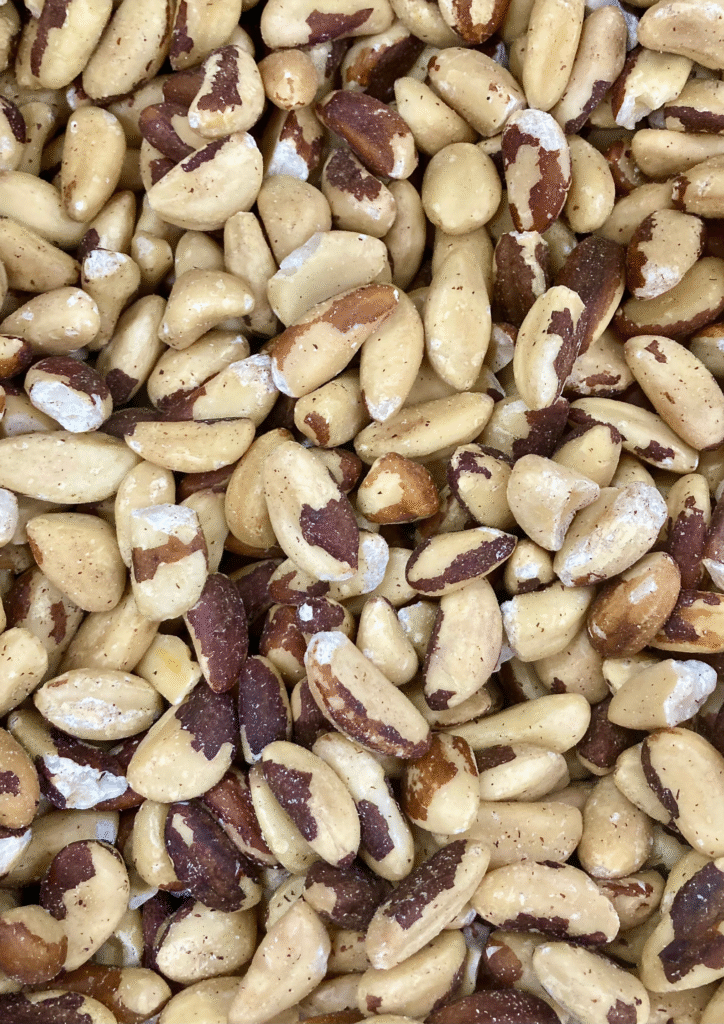
Brazil nuts are neither noxious nor good for dogs. Brazil nuts are the fattiest nuts in the world; they can cause obesity, pancreatitis, and serious digestive issues if taken for a long time. It’s best to avoid Brazil nuts when it comes to spoiling your furry friend with nut treats.
• Pine nuts
Many people asks is it safe for a dog to eat a nut like a pine nut?”
It is not written anywhere that pine nuts are dangerous for dogs, but still, it’s better not to give your dog these nuts, as pine nuts are high in phosphorus and fat content that may cause pancreatitis and stomach and urinary tract issues in the dog. Still, you can serve them sometimes as treats, but that too in a small quantity.
Final words
When dog owners ask is it safe for a dog to eat a nut, the answer to this question depends on the type of nut and the amount consumed by the dog. According to this article, nuts like peanuts and chestnuts are generally non-toxic to dogs when given in moderation, but other nuts, such as macadamia nuts, are toxic to them and should be avoided. To safeguard your dog’s health, it’s best to stick to vet-approved treats and avoid giving nuts to your dog until and unless you know it’s totally safe for their well-being.