
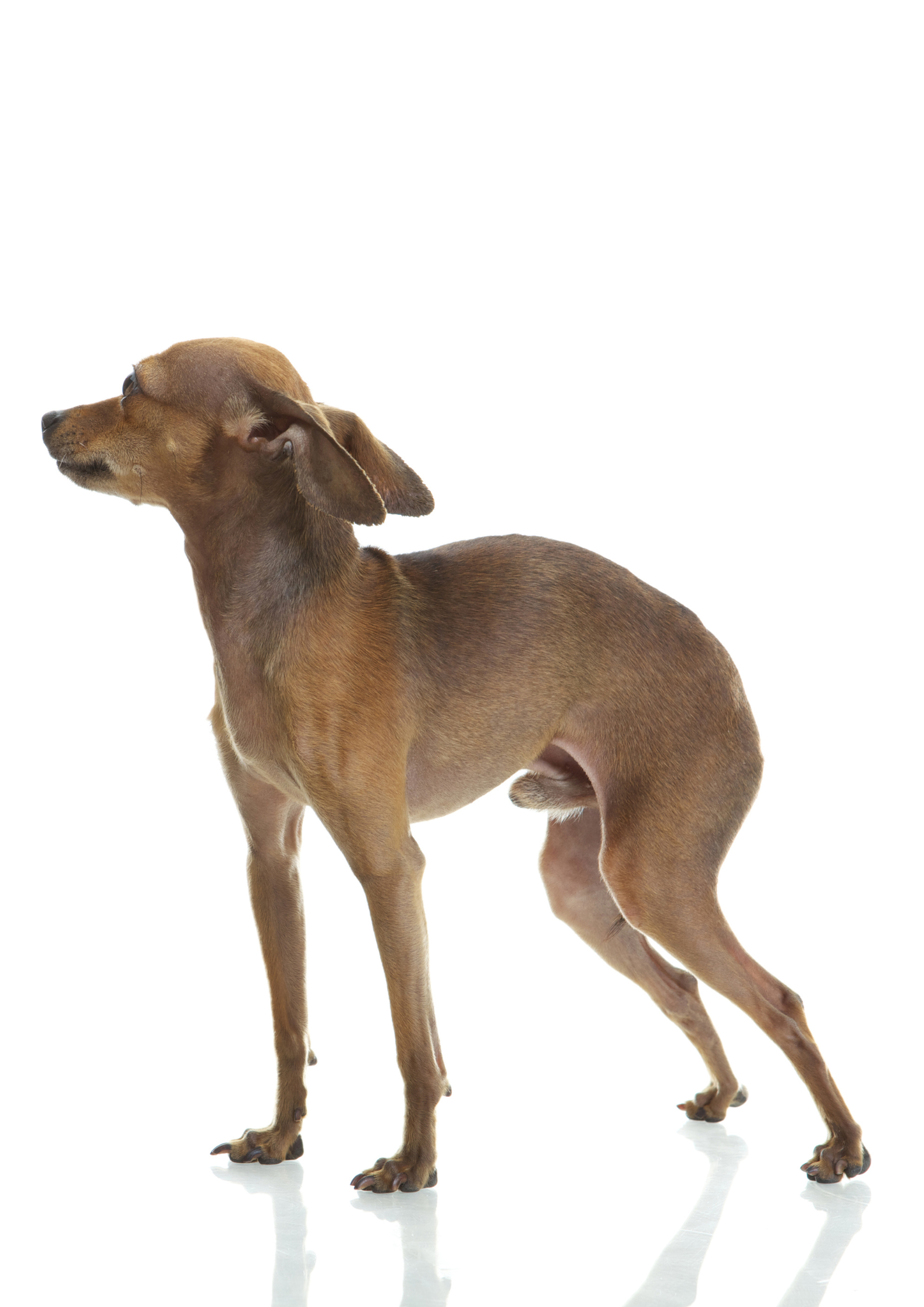
Dogs are known for their emotionally driven and playful nature. We are accustomed to seeing them sniff, chew, run, and scavenge, but if they start acting weak and fatigued, ignoring their food, you may also notice them suddenly losing weight. Sounds painful!
Perhaps it is suffering from malnourishment, and that’s where the stages of starvation in dogs begin to develop. It is the gradual degeneration of their muscle mass that affects their overall health. Visible bones on ribs and hips, muscle wasting, lethargy, and digestive issues like diarrhea are common signs of a malnourished dog.
What causes malnourishment in dogs?
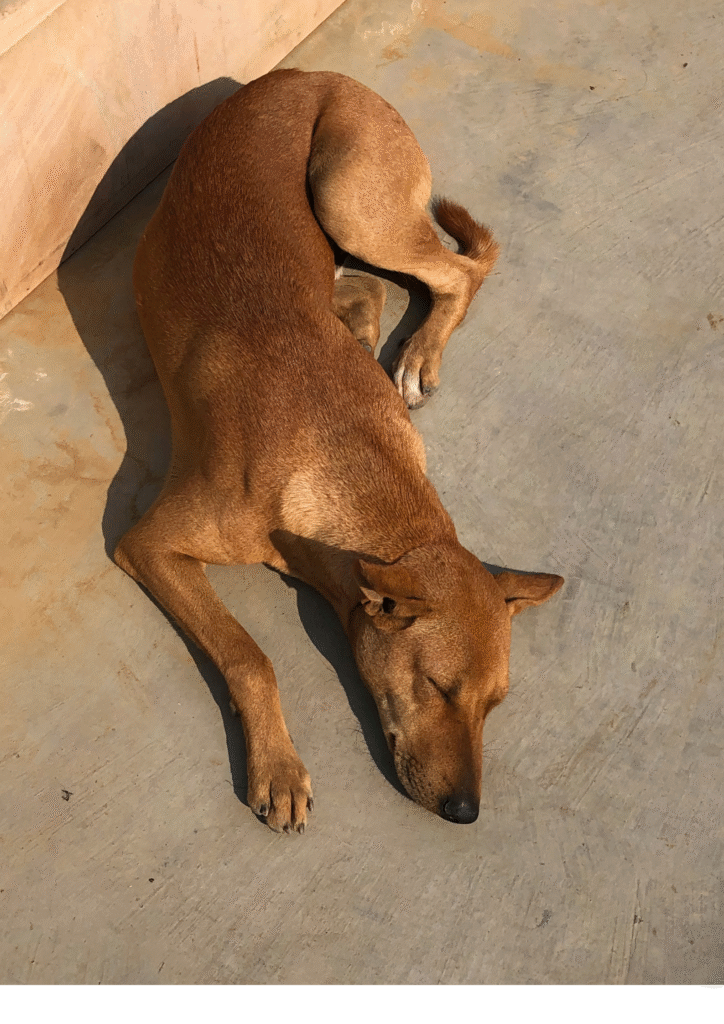
Every living creature needs good food and clean water to stay healthy and easily survive on the earth, and so do dogs. If they cannot take a nutritional diet, they start losing weight and feel weak, and if this has been happening for a long time, then it will also weaken their immune system faster. In some conditions, dogs themselves neglect food, or they may not get enough pet food, but many health conditions prevent them from absorbing essential nutrients from the food, such as inflammatory bowel disease, small intestinal bacterial overgrowth, exocrine pancreatic insufficiency, parasitic infections, kidney diseases, diabetes, severe diarrhea, and intestinal cancer.
Signs of starvation in dogs
There are many physical and behavioral signs that a dog shows if it is starved.
Physical signs
• Weight loss
Your dog may have visible bones such as ribs and hips. It may become noticeably thin.
• Loose skin
Dogs tend to lose skin if they are not taking their food consistently.
• Muscle wasting
You may see a degradation in muscle mass due to a lack of essential nutrients.
• Poor coat
The fur can become dry, brittle, dull, and unkempt.
• Pale eyes
Dogs develop pale eyes if they are not getting food according to their needs.
Behavioral signs
• Weakness
A dog may seem listless, weak, and thin.
• Lethargy
Dogs with a general lack of energy are often unwilling to walk, play, and run.
• Depression
A malnourished dog shows signs of depression, such as a change in mood, withdrawing from activities he once liked to enjoy, staying at home all the time, etc.
• Behavioral changes
If your dog is starved, it may show signs like anxiety and a lack of interest in social interactions. Even in this condition, they do not respond to their family members either.
Other signs
• Excessive appetite
Some dogs have constant hunger. They start eating a lot as their body tries to get the necessary nutrients from whatever they are eating.
• Digestive issues
A starved dog will definitely suffer from recurrent diarrhea, vomiting, and unusual changes in bowel movements.
• Eating non-food items
They develop a habit called pica; it means they start eating non-edible items such as paper.
• Poor quality stool
You may see visible changes in their feces; they may be either much harder or looser than normal.
Stages of starvation in dogs
Early stages of starvation in dogs
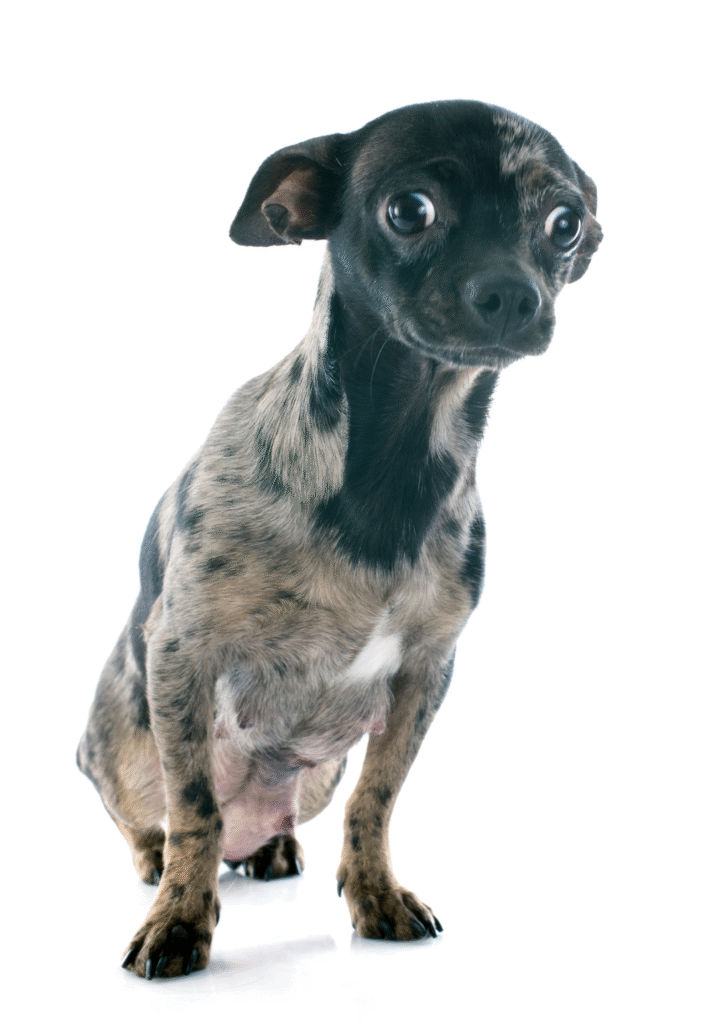
Early-stage symptoms are easy to ignore. Your dog may lose interest in food and look tired and sleepy all the time. Here, the dog, who is always ready to play, walk, or fetch, becomes sluggish. The fat, minerals, and protein from food are generally absorbed to maintain the muscle mass of the body, and when they start ignoring food, you will see a gradual decline in muscle mass and weight, and now they stay curled up all the time due to the weakness they feel. Apart from that, you will feel certain behavioral changes in a malnourished dog. They became choosy and picky about the food they once loved. Their appetite might decrease, and this will affect their mood and overall health. They become irritated all the time and start withdrawing from their favorite activities.
Advanced stages of starvation in dogs
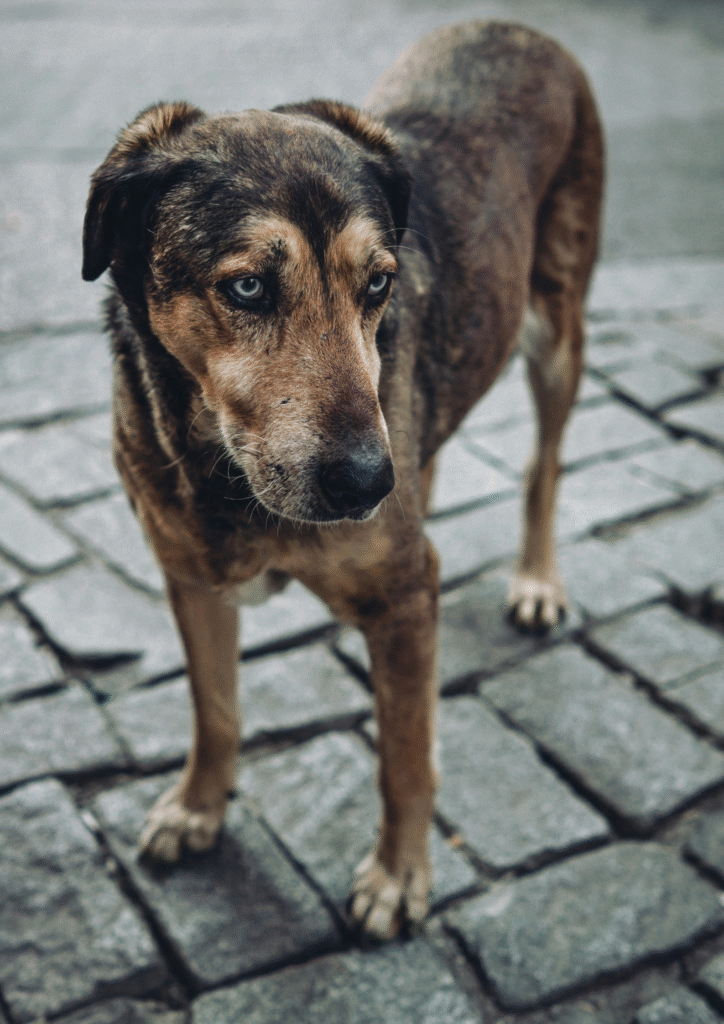
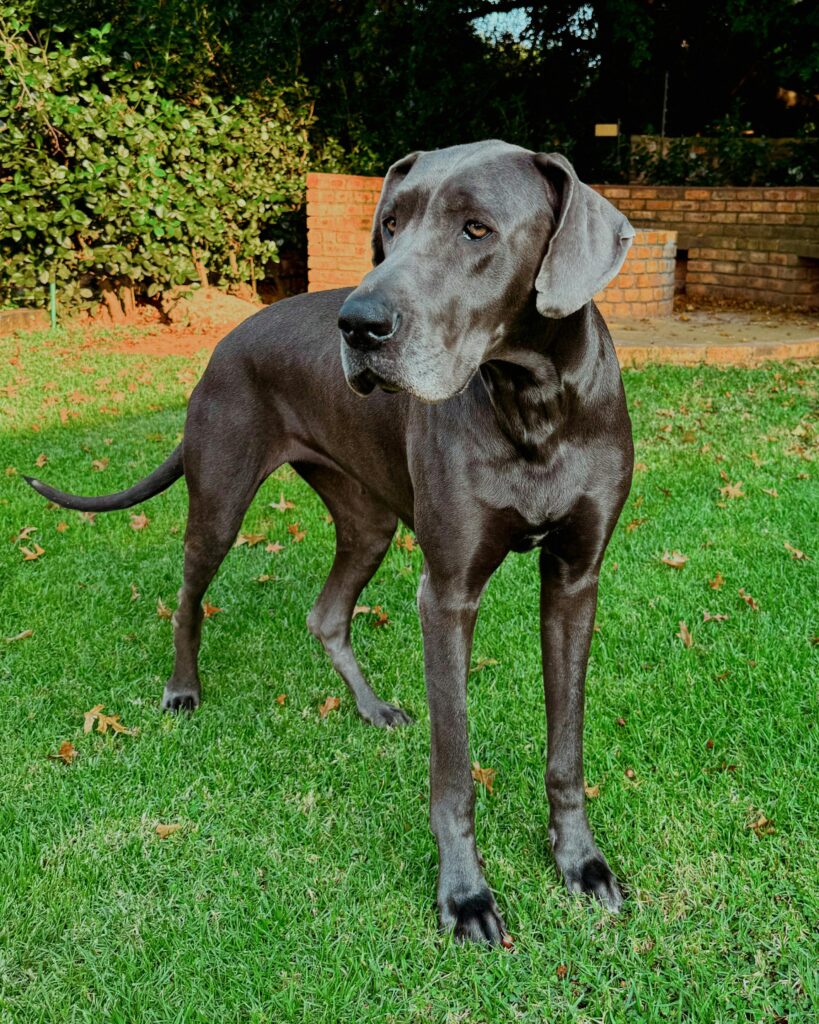
After the weight loss and too much food ignorance you have seen in the early stages, the dog will now have visible bones and ribs due to extreme decline in weight; even their movements are now difficult to balance, which now badly affects the immune system and organs. This makes the dog more vulnerable because the body’s ability to function starts shutting down, and a lack of essential nutrients leads to poor blood circulation, low metabolic rate, and weaker red blood cells. This will start stressing over main organs of the body, like the heart, kidneys, and liver, and the chances here become high of organ failure. At this stage, your dog will now be totally dependent upon fluid therapy and need immediate veterinary care to recover from the condition.
Caring for a malnourished dog
After hitting all the stages of starvation in dogs and successfully surviving each with closely monitored good veterinary care. It’s time to take care of the dog at home. A clear feeding plan with essential nutrients can help restore the balance. Here, there is no place for big meals because the body is not able to digest all the food at once. Helping a malnourished dog takes patience. Don’t forget their body is already in survival mode, and to revive them back to normal, you need to feed them small but nutritious, packed food multiple times a day as per the vet’s instructions. Frequent big portions can cause refeeding syndrome which imbalances the fluid and electrolyte balance in the body and leads to diarrhea and organ failure. Pet owners need to watch their dog’s progress and consult their vet from time to time for a smooth recovery.
Prevention of starvation in dogs
The best way to prevent nutritional deficiency, starvation, and severe weight loss in dogs is to maintain their consistent feeding schedule, providing them with timely, nutritious feasts. Don’t miss the single meal, and avoid overstuffed foods.
Set their potty time and stay rational with daily walks. Check their behavior if they feel anxious or stressed too often, because this will badly affect their digestion and feeding routine. Keep them happy by providing a safe space, reducing loud noises, and having playtime at least once a day.
Note: Don’t skip their routine checkups in between.
FAQ
1. Can a dog recover from starvation?
Yes, a dog can recover from starvation, especially when they are diagnosed and treated in the initial stages. Their recovery involves proper veterinary care, close supervision, customized feeding plans, and frequent small meals that gradually increase as per the body’s improvement.
2. What are the stages of starvation in dogs?
The stages of starvation are divided into two categories.
• Early stage
You may see your dog lose interest in food, become lethargic, develop a dull coat, pale eyes, and a little muscle loss that makes them stay curled up the whole day.
• Advanced stage
where your dog loses weight until the ribs and bones are visible, is unable to walk, and suffers severe muscle wasting and organ dysfunction that finally leads to potential death.
3. What is the 3-3-3 rule for dogs?
The 3-3-3 rule for dogs is a ground rule for the alteration period after a dog is adopted from any NGO or somewhere else. It is said that a dog needs 3 days to decompress in the new environment. 3 weeks to start settling and bonding with the family members, and 3 months to finally feel comfortable in their home.
Final words
Diagnosing the stages of starvation in dogs soon can save lives. Although prevention is better than cure. Take care of your dog’s feeding, walking, and sleep schedule. Don’t let your dog even touch the early stages of starvation, but in case they are malnourished by any chance, don’t worry; follow our care guide, talk to the vet, and stay tuned with small nutritious meals. You can also go for weight gain and muscle-building supplements because a malnourished dog needs more than extra protein to regain strength.
Note: Make sure to buy a good muscle support supplement, soft chews, and appetite stimulants for faster recovery.
Read about dog eye infection here.