
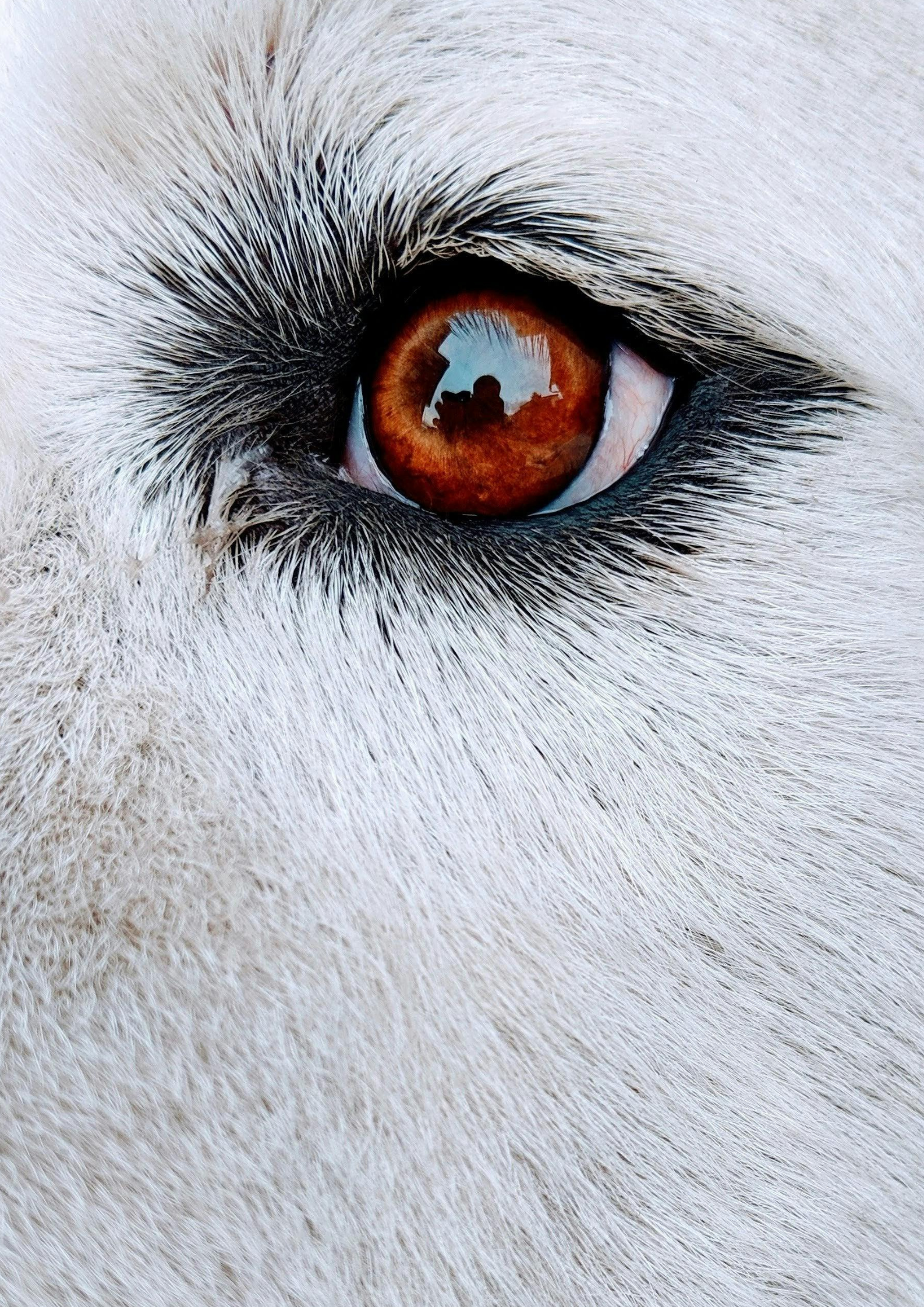
Dogs’ eyes are equally as sensitive as humans’. Every dog eye infection is common, but there is always a reason behind each one of them. Clear vision is precious for all living species; that’s why you should suspect if your dog has something wrong with its eyes.
If your dog is suffering from an eye infection, he might suffer from pain, inflammation, redness, and unusual discharge. Don’t treat your dog by yourself; instead, visit the vet soon, as it is one of the most sensitive parts of the body.
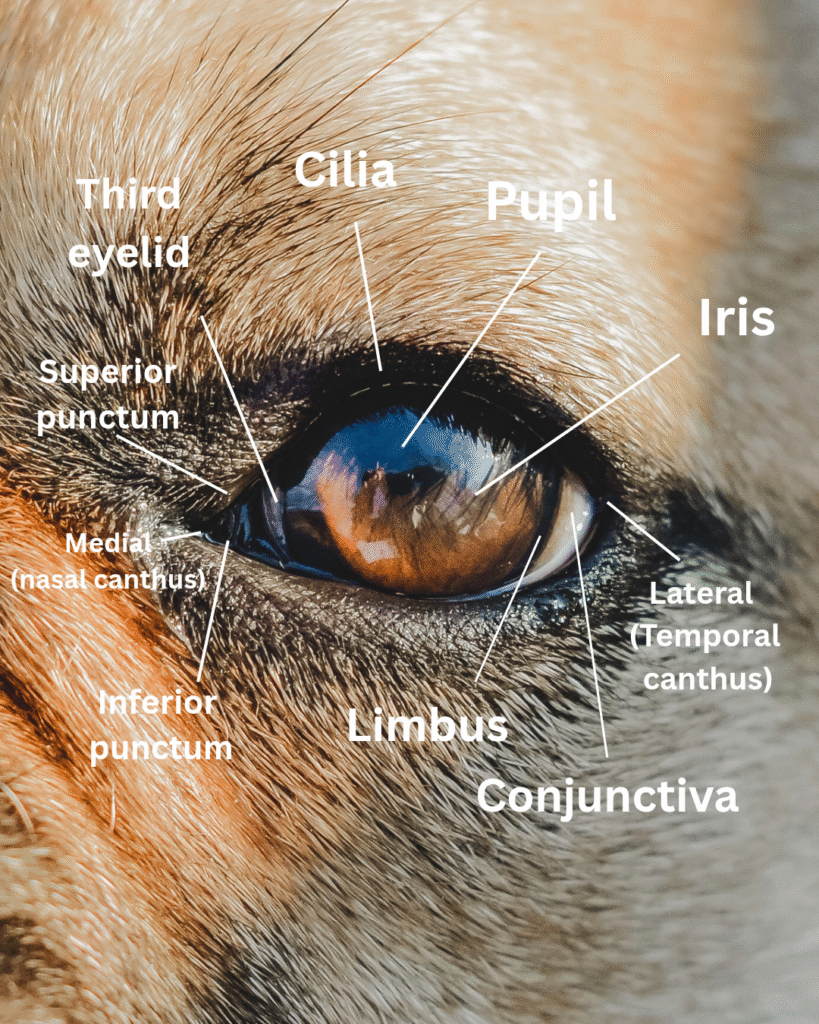
Types of dog eye infection that are commonly seen in every breed:
There are several types of dog eye infections from which your dog may experience trouble and discomfort. Below are the most common types of dog eye infections found in dogs.
- Inflammation in the cornea
- Uveitis—An inflammation in different parts of the eye, such as the iris, ciliary body, or inner linings of the eyelid.
- Tear gland abnormalities
- Physical irregularities of the eyelid.
- Several bacterial, viral, fungal, and parasitic infections
- Injuries, UV exposure, immune-mediated disorders, and cancer also cause various eye infections.
- The dog eye infection indicates inflammation of tissues such as conjunctivitis, keratitis, and blepharitis.
- Conjunctivitis—Infection of the conjunctiva, which is the pink membrane that lines the eyelids. Conjunctivitis is also commonly known as pink eye infection.
- Keratitis—Keratitis is the inflammation of the cornea. The frontal part of the eye is responsible for impaired vision in keratitis.
- Blepharitis—It is inflammation of the lining of the eyelids, causing swelling, redness, and discomfort.
- Debris (grass, dirt, or a hair strand)
- Trauma
- Cut on the cornea, or a deep scratch.
- Allergens or irritants such as shampoo, certain chemicals, or smoke.
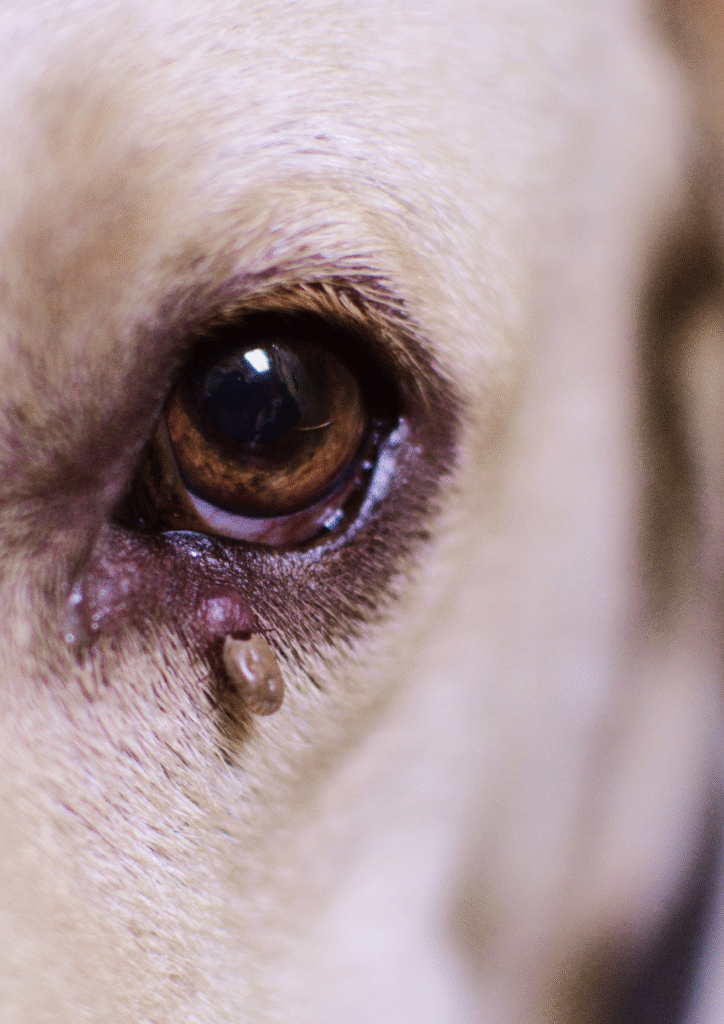
Dog eye infection symptoms
The most common symptoms of suspected dog eye infection are:
- Redness in the eyes.
- Swelling around the eye.
- Excessive squinting and blinking.
- Pawing in the affected part of the eye.
- Light sensitivity
- Pain and discomfort
- Unusual eye discharge: this can be watery, reddish-brown, transparent, white, green, or yellow.
- Holding eyes closed
If you experience any of the symptoms, call your vet because this could get worse if left untreated and may even cause vision loss in one or both eyes.
Not all symptoms are dog eye infections
In many cases, the dog may show signs of canine eye infection, but there could be different types of eye problems that display similar symptoms to a susceptible dog eye infection, like glaucoma, dry eye, tear duct, exposure to toxins, cherry eye, vitamin deficiency, and structural problems of the eye, such as entropion. The fact is, they also need immediate treatment. Visit your vet if you encounter any of these problems.
Can dog eye infections be prevented in any way?
Dogs are curious animals, and they love exploring their surroundings. Digging, closely watching, and sniffing around are their favorite activities. Keeping them safe all the time from any danger became a tough task for pet parents. Naturally, your dog’s eyelids and eyelashes are strong enough to protect their eyes from any danger, but if your dog is a little notorious and suffers from frequent injuries, then you should try dog protection.
Generally, dogs suffering from any eye injury are rare. But if you are adventurous and love hiking, mountain climbing, or exploring different places, then you should put on your dog the dog goggles. At first, they seem to be uncomfortable wearing them, but with positive reinforcement techniques, they will get used to them. One more pro tip is to keep your dog’s hair near the eyes short to avoid any uneasiness and irritation. You should get professional help for haircuts instead of doing it on your own.
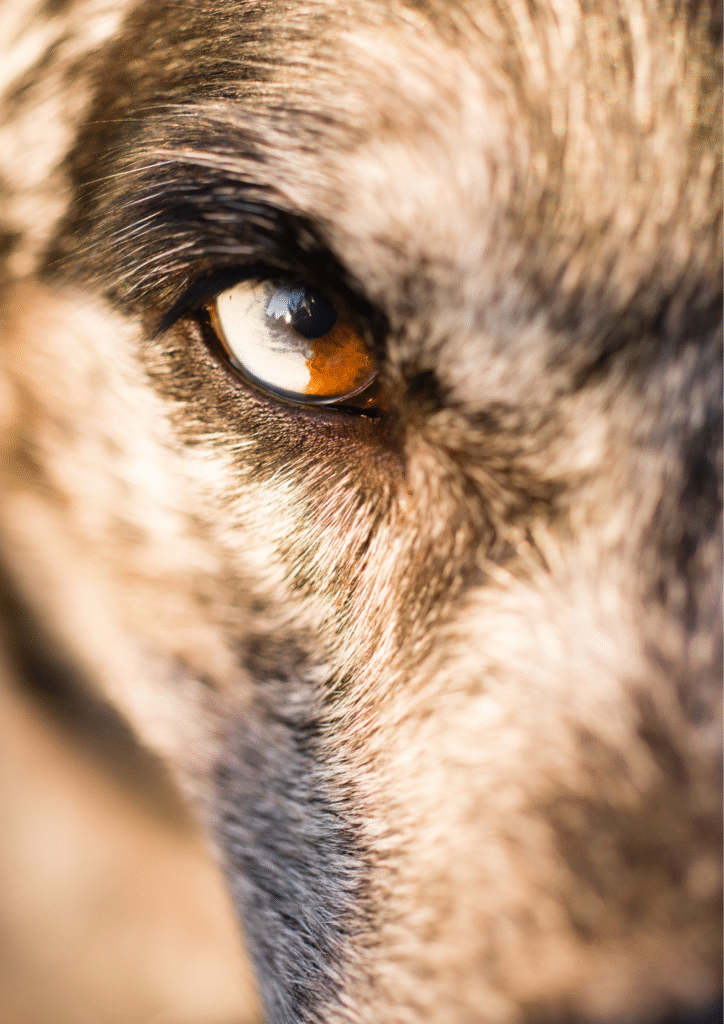
Dog eye infection treatment
Like infections, there are different types of treatment for those infections, but it depends on the underlying cause. Normally, a combination of topical and oral medications, such as antibiotics (ofloxacin, moxifloxacin, fluoroquinolones, etc.), anti-inflammatory drugs (corticosteroids such as prednisolone or dexamethasone), NSAIDs (non-steroidal anti-inflammatory drugs), saline eyewashes, and Immunomodulators like tacrolimus or cyclosporine, is prescribed by the veterinarian.
• If the veterinarian diagnoses allergies as the cause behind the canine eye infection, then he/she may prescribe antihistamines (substances that cause allergic reactions), such as olopatadine, antazoline, epinastine, pheniramine, ketotifen, etc. Many of these work best when used as a dual-action agent.
• If any antigen (foreign body) or debris causes any eye infection, then your vet will remove it while your furry friend is under local anesthetic or sedative drugs.
• Blocked tear ducts are treated by surgery after the use of eye drops and antibiotics.
• Eyelash and eyelid abnormalities generally seen in dogs are caused by rubbing against the eyeballs with force, and they are generally treated with surgery.
• Dogs suffering from keratoconjunctivitis sicca (KCS), or dry eye, are generally treated with topical lubricants and tear stimulants such as cyclosporine, tacrolimus, etc.
• If bacterial, viral, or fungal infections are the reasons behind the cause of your dog’s eye infection, then artificial tears, antibiotics, antifungal drugs (2% fluconazole), eye drops, ointments, and cold compresses are prescribed by the veterinarians.
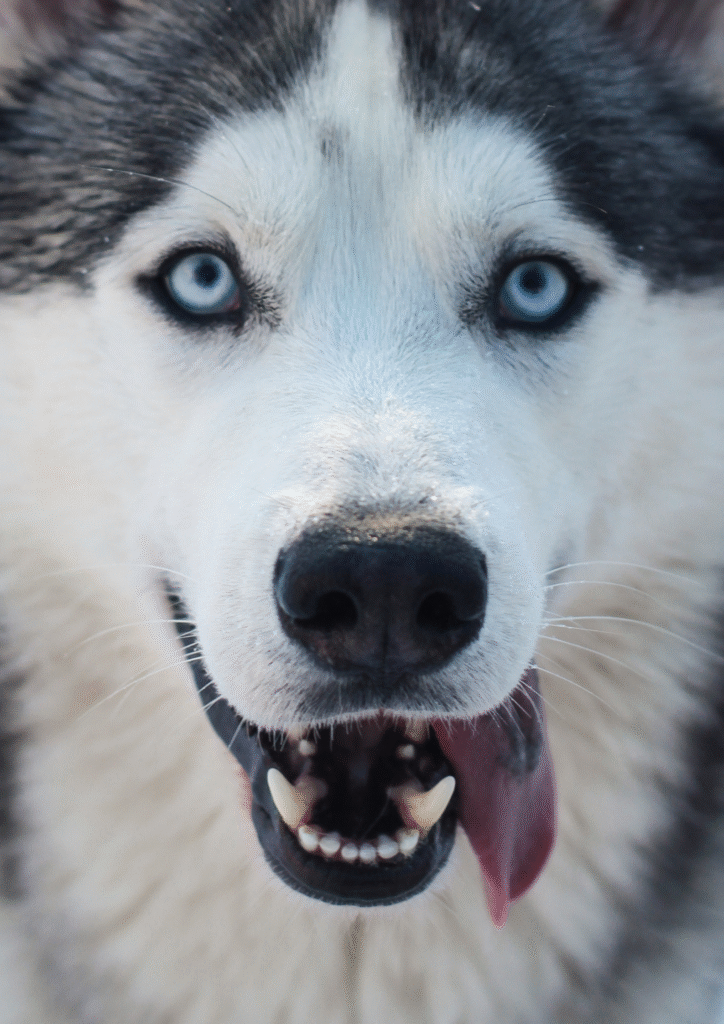
My dog has an eye infection. What should I do?
If your dog is experiencing severe pain, irritation, unusual watery discharge, and eye sensitivity, then it’s time to call a vet.
Do not try to treat your dog at home because you are not a professional. Only a veterinarian can be able to thoroughly examine your dog’s eye, catch the actual cause behind the eye infection, and treat your paw friend properly.
Final words
Although canine eye issues are not serious matters to worry about, each dog eye infection could be severe, and a dog may lose its vision or have permanent damage to the eye if left untreated for a long time. So, it is important to make immediate appointments with the veterinarian whenever you find any of the symptoms growing faster. Don’t diagnose yourself by reading any article on the internet, including ours, as this is just for informational purposes. It’s only your vet who will diagnose and treat the canine eye infection properly, from which your dog is suffering.