
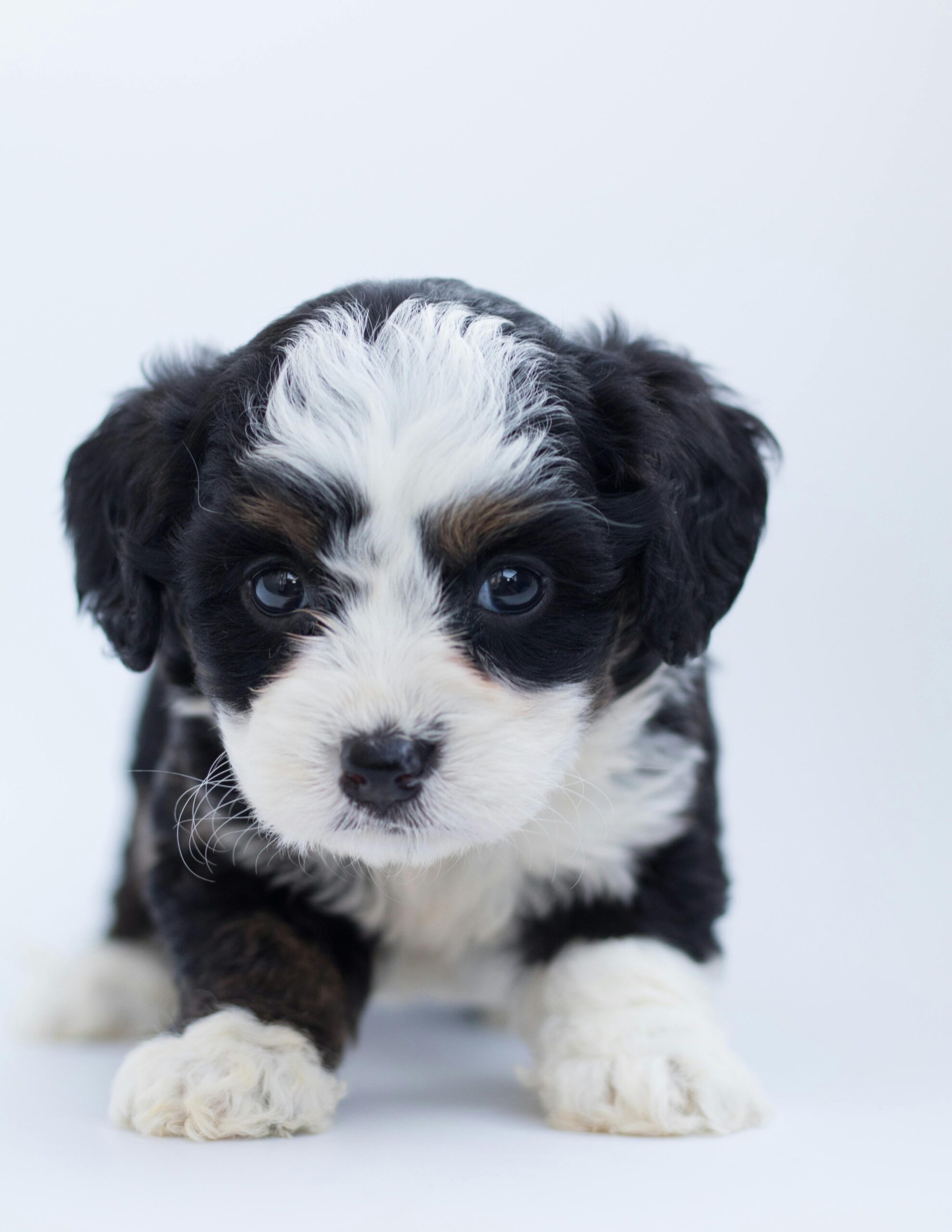
Puppy crying is common. Even adult dogs cry for various reasons. You can take puppies as a substitute for a human child here. All children do cry, especially when they are born. Puppies require 100% support from their mother, encompassing everything from food and sleep to shelter. They even emit sounds to call their mothers, but the main reasons behind their cries could be fear, boredom, hunger, loneliness, and discomfort.

Reasons for puppy crying
Puppies cry for various reasons, so it’s important for pet owners to identify the cause and solve it soon.
1. Pain
Pain is the most common reason for them to cry. They cry while taking their first vaccine, at their first nail trimming, at their first bath, while fighting with another dog, and while being stepped on.
2. Items out of access
If their thing of choice rolls out of access and it cannot be retrieved, the puppy may cry. They may also cry when their pet parent removes non-chewable items from them. Sometimes they also cry for their favorite treats.
3. Illness
Puppies whine or cry when they are ill due to the discomfort they feel, especially when they get tired of the conditions, such as diarrhea and vomiting.
4. Fear
Puppies cry out of fear of loud noises and exposure to new objects. They can’t even interact with people on their own; you have to give them training to be calm in front of outsiders.
5. Hunger
Puppies do cry out of hunger because food is the primary way to communicate their need for hunger to their mother or their caregiver. Although the intensity of crying may vary with age. They cry with all the intensity when they are at the neonatal stage, which further begins to decrease as time passes.

6. Loneliness and discomfort
Puppies cry due to loneliness because dogs are highly social animals and instinctively wired to their mother and littermates. When they feel they are stuck alone in some place, they start crying. It’s their way to send messages to their mother or pet parents to come and rescue them.
7. Stress
Puppy crying is common in stressful situations such as separation from their mother and human, fear, discomfort, such as urination, and loneliness.
8. Puppy crying in sleep
Yes, puppies do cry in sleep if they are dreaming of something horrible, if they feel cold, if they are in physical discomfort, or when they are separated from their mother or not getting scent from at least one littermate.
9. Crate training
Puppies do cry while being crate trained because they have to sleep all alone in the crate. To avoid it, you need to distract them in any way, like engaging them with toys or with food puzzle bowls while slowly increasing the distance. While sleeping, keep at least one arm’s distance from your dog’s crate so that they feel comfortable watching you while asleep.
10. Separation
Puppies whine when they feel alone and scared. They cry a lot when separated from their mother, littermates, and even their pet parents when they form strong bonds with the family members. You can see them crying for their owner, especially at night, because from birth they used to sleep with their mother and littermates, so adapting to a new environment is hard for them. They may also cry when their pet parent is out of sight or has gone to the washroom for a long time.

Why is my puppy crying at night?
Puppy crying usually happens at night due to loneliness, hunger, the need to go to the bathroom, or because of sleeping alone. From birth, they sleep with their mother and littermates and may feel insecure in a whole new environment. Comforting a puppy at night needs a little training to help them feel safe in their own pen.
How to stop the puppy from crying?
To stop the puppy crying, there are many actions you need to take depending upon the reason behind their whining, and here they are:
1. Check basic needs
Make sure your puppy has been fed properly or is not bloating, has taken enough water, and has completed its night routine of going to the bathroom. Young puppies need frequent meals and frequent bathroom breaks.
2. Offer convenience items
Give your puppy a comfortable crate, a push toy with a heartbeat, a soft blanket, and a toy with a heat pack to mimic sleeping with their siblings.
3. Calmly reassure
Allow them to touch your skin and lick your hand. Reassure them while they are quiet in between the cries.
4. Provide a warming presence
Stay near your puppy in the first few days. Set their crate at one arm’s distance from your bed so that they feel secure and have a good sleep under your presence.
5. Cuddle your puppy
Cuddle your puppy, or put them into your arms. Your body heat reassures the puppy and relaxes them instantly.
6. Drizzle your puppy in praise
Use positive reinforcement techniques such as praise and offering treats and toys. This will help them to settle down faster in a new environment.
7. Create a comfortable space for your puppy
Make their bed clean, and put a soft blanket, cuddly toys, and chew toys into it so that they feel comfortable spending time in their crate alone.
8. Set up soft background music
It’s difficult to adjust to all sorts of sounds and voices from the new surroundings. So, to keep your dog calm, put soft music in the background. You get music for free from YouTube and Instagram.
9. Stick to the routine
Like humans, dogs are creatures of habit; routine helps them cope in a new environment and makes them less or non-anxious. So, be consistent with your playtime, feeding, and toilet breaks.
10. Socialize your puppy
Expose your puppy to all the new living and non-living things. This makes them feel confident and habitual in their environment and makes them less reactive to the exposed people, noises, and stuff.
11. Basic obedience training
Teach your puppy some basic obedience training; for example, responding when calling their name and the “sit,” “stay,” and “give me your paw” commands. It develops confidence in them and also builds a strong relationship between you and your furry friend.
12. Be patient and consistent
Don’t worry if your puppy makes mistakes when learning new things. Be patient and consistent, and give them time to learn and grow at their own pace, where they feel guarded and secure.

Final words
Puppy crying is common. There are several reasons behind it, as explained in this article. Sometimes life can be overwhelming for them, but it’s your responsibility to comfort them with all the fears, pain, illness, and displeasure they feel. Make sure to be patient and consistent, and do not use punishments even if you think this will work because they will not.