
Introduction
Diarrhea in dogs is a condition of frequent loose bowel movements in a day that may have various causes. It can be either acute or chronic, depending upon the underlying genesis. Common symptoms are loose stool, vomiting, fatigue, dehydration, and loss of appetite. Understanding diarrhea in dogs symptoms helps pet parents identify early signs of digestive issues.
Acute versus chronic diarrhea
Diarrhea in dogs varies in symptoms with acute and chronic conditions.
Acute diarrhea in dogs
In acute diarrhea, you may experience frequent episodes of watery or loose stools. It arrives suddenly and lasts for a few hours to weeks. They are often caused by stress, intestinal parasites such as roundworms and hookworms etc., eating spoiled food or garbage, rapid dietary changes, and certain medications.
Chronic diarrhea in dogs
Chronic diarrhea persists for weeks to months, and it is an emergency sign of underlying health issues. Common symptoms are stress, cancer, intestinal parasite infections, inflammatory bowel disease, pancreatitis, allergies, infection, and poisoning. Chronic conditions generally have longer treatment as compared to acute conditions.
Is dog diarrhea an emergency?
If your dog has no frequent watery stools, then it’s fine. But if it stays for more than 24 to 72 hours, then it can be an acute or chronic condition, and it’s time for an emergency vet visit. Your dog can’t be vocal about it. They will show themselves well all the time. You have to check up on their condition timely.
Diarrhea in dogs symptoms and signs
Being vigilant for early diarrhea symptoms in dogs prevents serious health complications.
Here are the signs:
- Loose, unformed, runny stools
- Frequent bowel movements
- Borborygmi (loud stomach sounds)
- mucus or blood in the stool
- Different colored or unusual-textured stool
- Eager to defecate
- Increased the amount of flatulence
- Vomiting
- Loss of appetite
- Weakness or Lethargy
- Fever
- Abdominal cramps
- Weight loss
- Indigestion
Causes of diarrhea in dogs
When exploring diarrhea in dogs symptoms, it’s important to know about the causes, and here they are.
• Dietary error
Eating garbage and food that they are intolerant of.
• Foreign body indigestion
Eating non-edible things such as plastic, rubber, cloth, etc.
• Internal parasites
Such as hookworms, roundworms, coccidia, and Giardia. Proper medication is required to prevent diarrhea from internal parasites.
• Switching food
Suddenly switching to the regular food can also cause diarrhea and GI upset.
• Infections
Certain infections, such as parvovirus and canine distemper, can lead to diarrhea in dogs.
• Medications
Certain medications can also be a reason behind dog diarrhea, such as antibiotics, anti-inflammatory drugs, antihistamines, and NSAIDs (non-steroidal anti-inflammatory drugs).
• Allergies
Allergies trigger the immune system in dogs, which leads to irritation in the digestive tract and ends in diarrhea.
• Stress
Separation anxiety and events such as vet visits, ignoring the pet for a long time, and adopting another pet can cause diarrhea in dogs.
• Organ dysfunction
Liver and kidney disease can lead to GI upset.
• Abdominal swelling
Abdominal swelling for various reasons can cause diarrhea in dogs.
• Pancreatitis
Inflammation in the pancreas can cause acute diarrhea in dogs.
• Toxic indigestion
Certain food items, such as chocolate, nuts, and alcohol, are toxins for dogs’ bodies that will result in frequent defecation.
When to visit the vet
Check if your dog has a single or two episodes of diarrhea; it happens sometimes because of bowel disturbances and GI irritation. You should not be concerned about it, but pet parents should visit a veterinarian immediately if diarrhea in dogs symptoms include:
• More than 2-3 frequent episodes of diarrhea.
• Indigestion of foreign objects such as paper, cloth, polythene, or any plastic or metal object.
• Straining to pass stool because of stress and mild depression.
• If you notice blood or an unusual color in their stool.
• In case of frequent vomiting.
• Frequent bowel movements, especially if your dog is either old or very young.
• Unusual drooling and loss of appetite.
If your dog is indicating any of these symptoms, then this is the time to visit your vet. They will now do some examinations, such as blood work, fecal exam, parvo test, biopsy, x-rays, and food elimination trial, and start proper treatment on the basis of the results of these examinations.
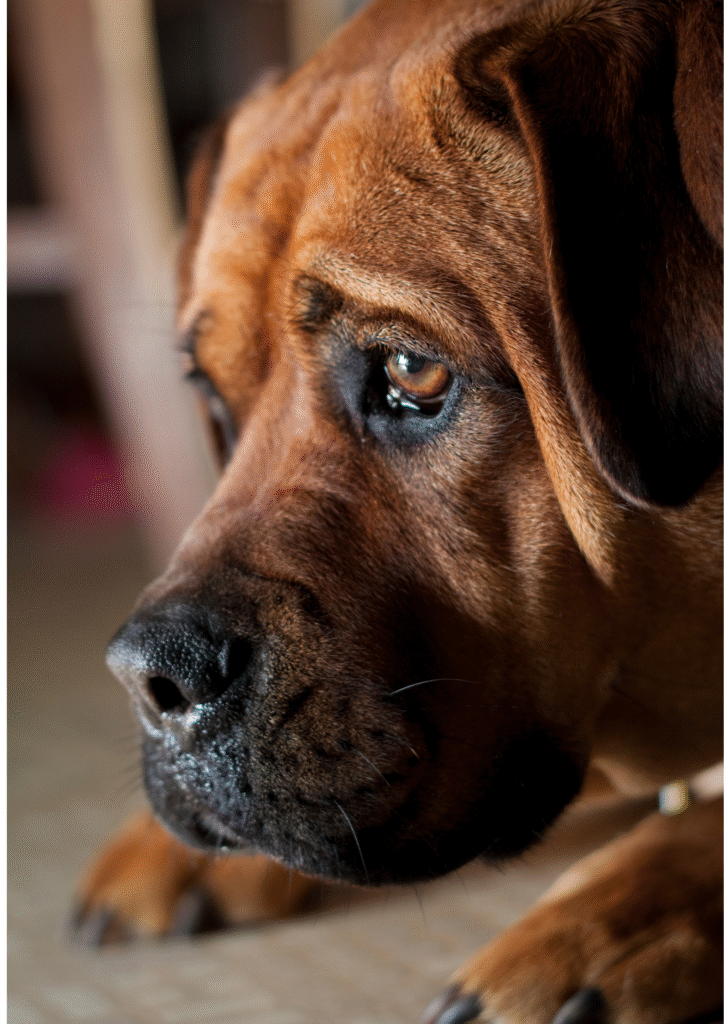
Treatment of dog diarrhea
The treatment approach for diarrhea in dogs symptoms often includes:
• Fasting
Fasting for 12 hours calms down the intestines.
• Intravenous fluid therapy
In moderate to severe cases, intravenous fluids are given to replace lost fluid. This way, your vet will treat the imbalance of electrolytes in the body.
• Parasite treatment
Sometimes parasites such as parvovirus and canine distemper are the reason behind diarrhea in dogs, and this can be treated with proper treatment and anti-parasitic medications.
• Antibiotics
In many cases, antibiotics are also given to clear up the bacterial infection, but they can cause discomfort to the GI tract, and that leads to mild diarrhea in dogs.
• Monoclonal antibody treatment
A vet may also approve monoclonal antibody treatment specifically for puppies with parvovirus.
• Probiotics
Probiotics are also prescribed by the vet in case of mild to moderate diarrhea cases.
• Dietary changes
Switching to veterinary diets and bland diets balances the GI microbiome and is good for digestive health.
FAQ
1. Can dog diarrhea be contagious to other dogs?
Yes, Dog diarrhea is contagious to other dogs, but this will happen in the case of certain viruses, such as parvovirus, and bacteria, such as Giardia and Coccidia. It generally spreads through contaminated water, food, feces, and surfaces, or via direct contact with an infected dog.
2. Will dog diarrhea resolve itself?
Yes, mild dog diarrhea resolves on its own, but if your dog has more than 2-3 episodes of diarrhea, then you should contact the vet. Puppies and senior dogs are more vulnerable. They need immediate veterinary care.
3. What causes dog diarrhea?
Dog diarrhea is commonly caused by stress, eating non-edible things, and rapid changes in diet. Other medical conditions, such as viral or bacterial infections, certain medications, and chronic conditions like organ dysfunction and inflammatory bowel disease, can also cause mild to severe diarrhea in dogs.
Final words
Diarrhea in dogs is common. Sometimes they can be resolved on their own, and sometimes they need treatment, but understanding diarrhea in dogs symptoms helps pet owners identify potential health issues early so that they seek timely veterinary care.