
Introduction
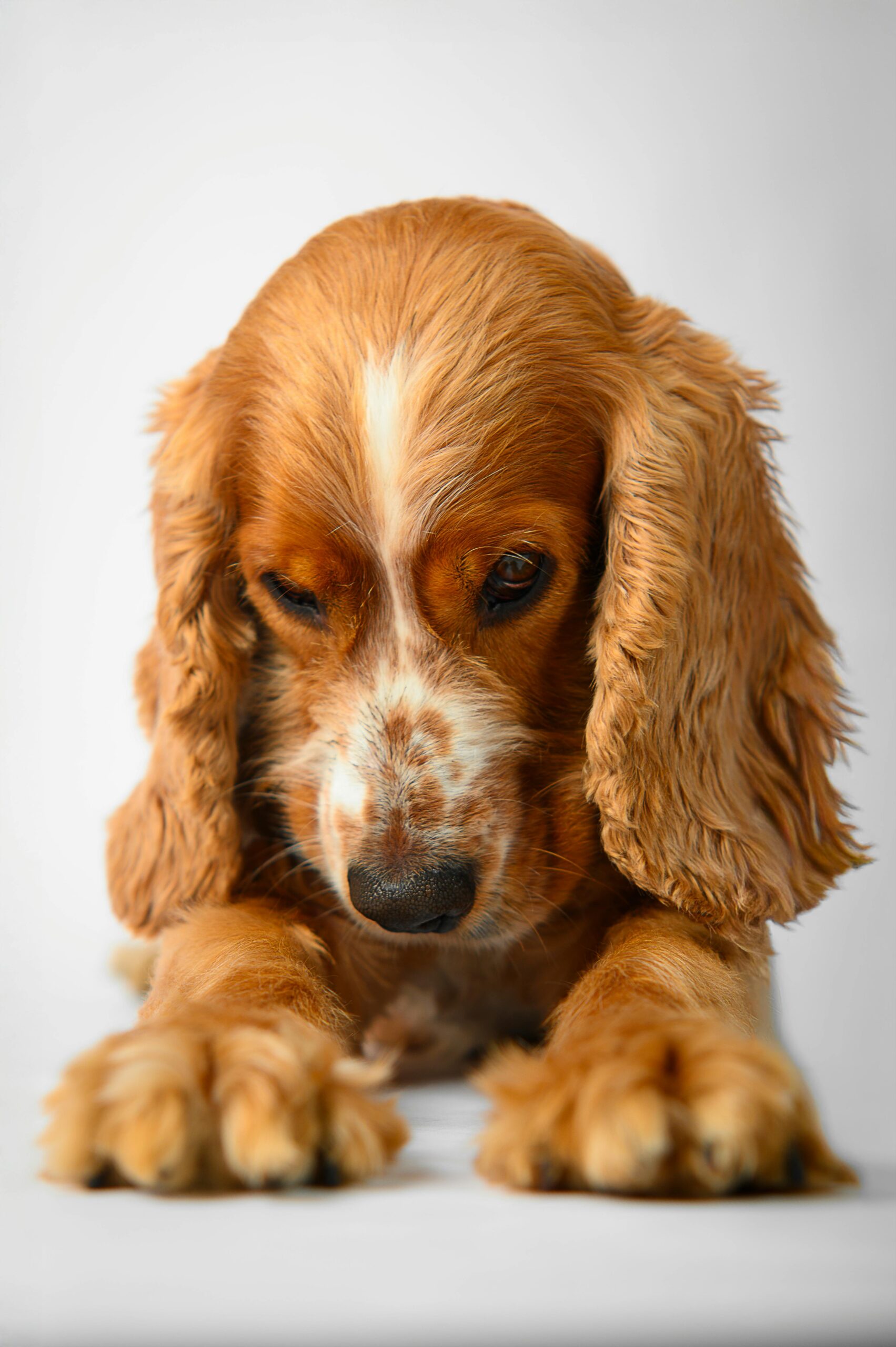
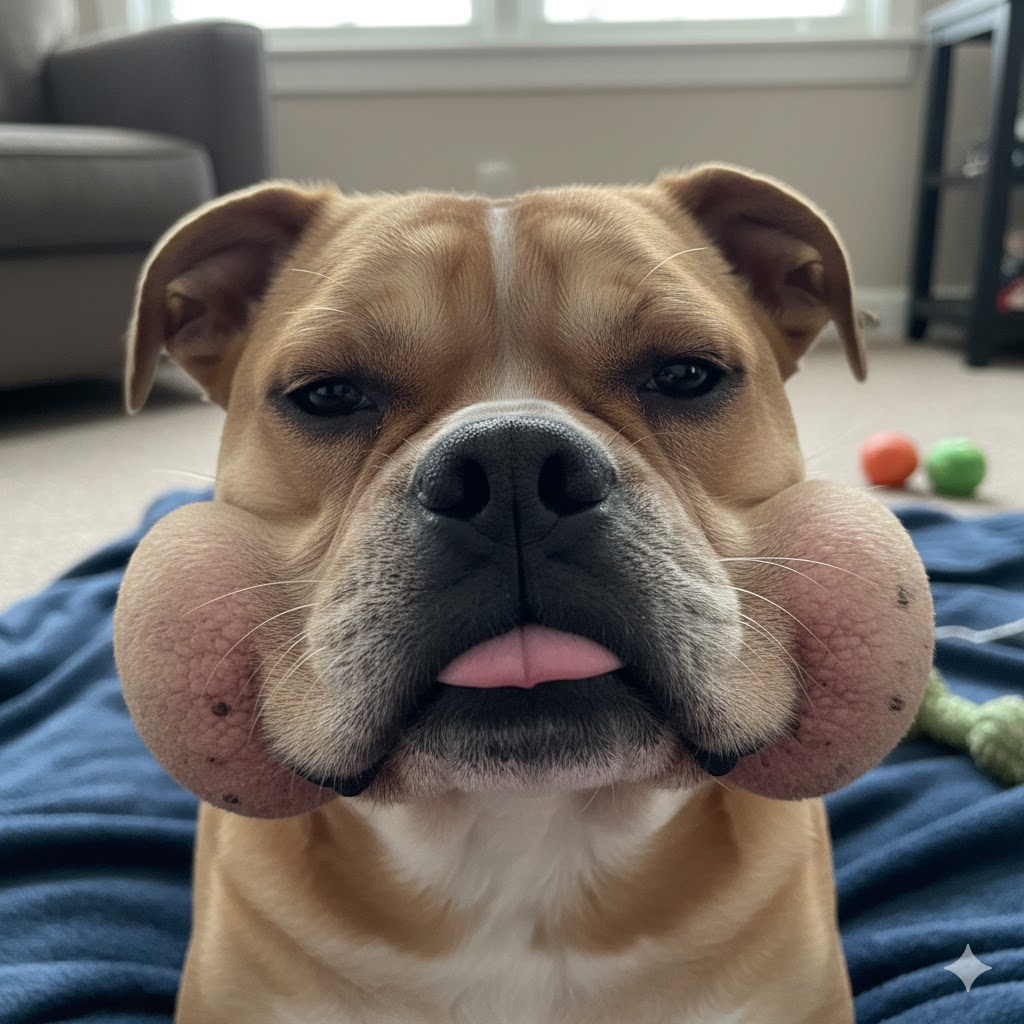
Facial swelling in dogs occurs when fluid accumulates in the tissues of the face. It happens because of many reasons, like allergies, tumors, dental problems, and injuries. Although the reasons for dog facial swelling can be mild to severe, it requires immediate treatment, depending on the cause of the swollen muzzle.
Are there different severity levels of dog facial swelling?
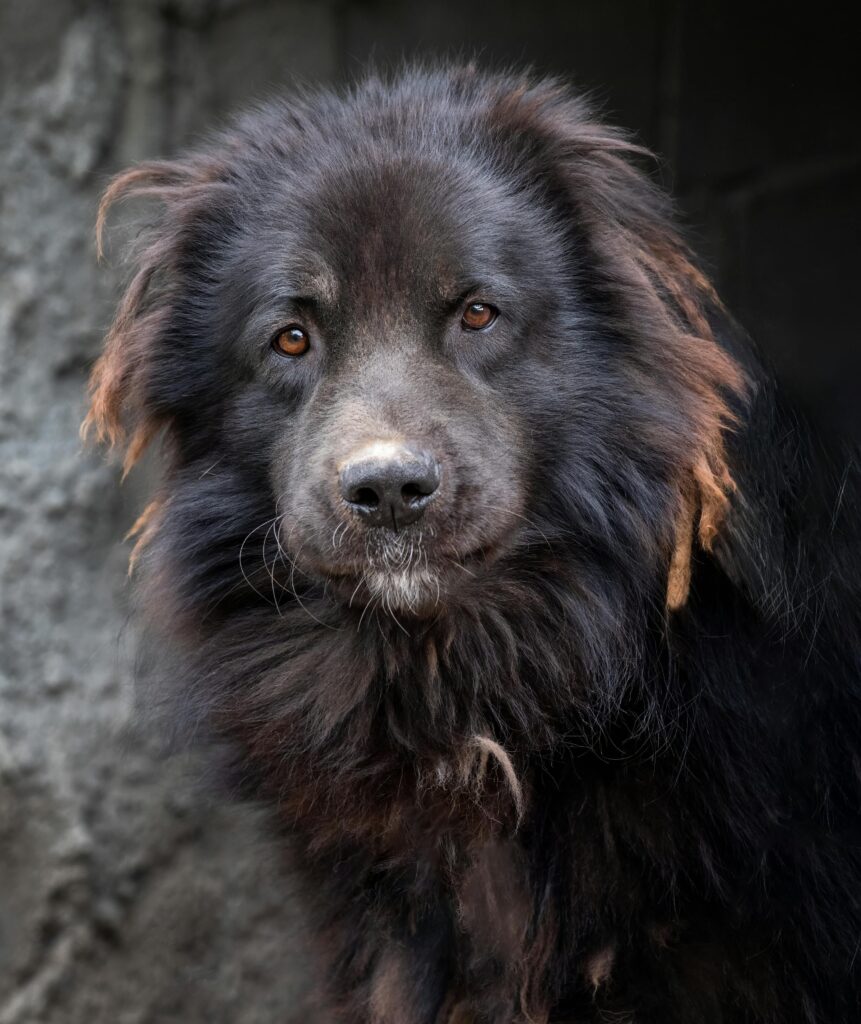
Yes, dog facial swelling ranges from mild to severe. If you notice any sudden puffiness around your dog’s face that disappears within a few hours, it is likely not a cause for concern. But if facial swelling gets worse over time or spreads from the left to the right cheek, this is the time to meet your vet or any animal health provider.
Common causes of dog facial swelling
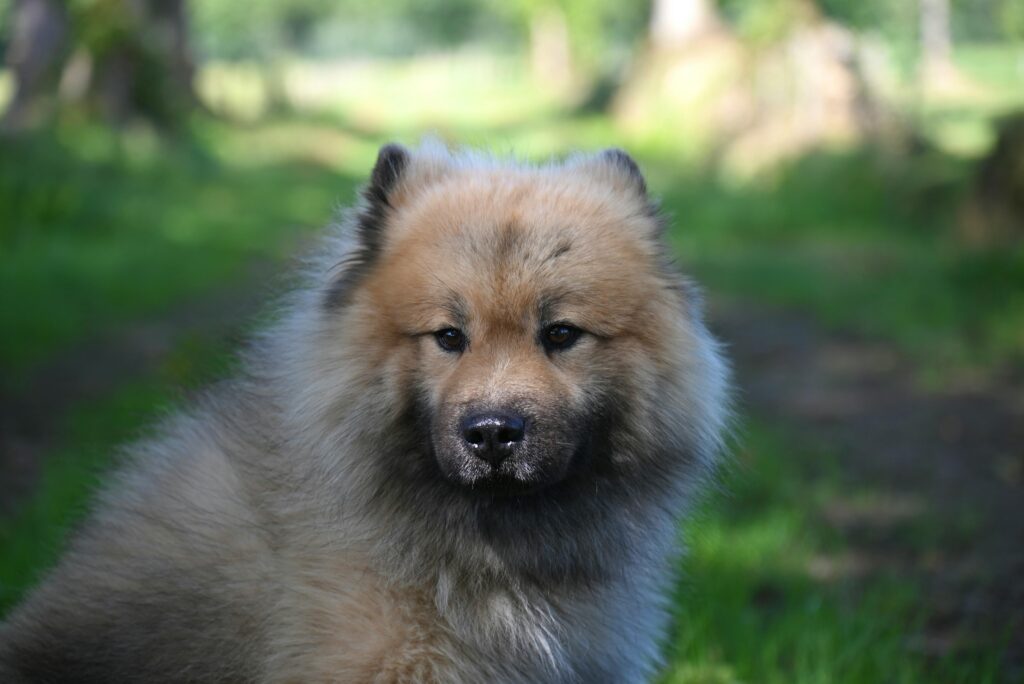
There are many reasons involved in dog facial swelling, and it could be life-threatening if it spreads up to the throat. These are the common causes of swollen muzzles in dogs.
1. Allergies
Like humans, dogs can be allergic to certain foods, chemicals, insect bites, and medication. These allergies could be mild to severe. If you see the situation getting worse, then immediately contact your vet, as it may lead to serious issues such as suffocation, rapid progression in the body, excessive drooling, blue and purple gums, lethargy, and collapse.
2. Dental problems
Broken jaws, fractured teeth, and sometimes untreated periodontal disease also lead to dog facial swelling. It causes fever, inability to eat, depression, inflammation, and painful gums in dogs if left untreated.
3. Abscesses
Abscesses are painful, pus-filled pockets that are often caused by bite wounds, foreign objects, punctures, and other injuries. These are very painful and cause discomfort to your dog while eating or drinking. It worsens the infection if not treated on time.
4. Tumors
Tumors in the mouth and throat could be both cancerous and non-cancerous. Symptoms may include excessive drooling, problems in eating, bad breath, bleeding, and loose teeth, and this could also be a reason behind dog facial swelling.
5. Foods
Certain foods can also cause swelling on a dog’s face. An allergic reaction due to intolerance of any food ingredient results in dog facial swelling via leakage of fluid inside the facial tissues.
6. Stings and pollen
In some cases, stings and pollen are also a reason behind a dog’s swollen snout. It triggers the inflammatory response in the immune system that causes the face to swell.
7. Medications and vaccinations
After being exposed to an allergen, the immune system overreacts and mistakenly spots the active content as a threat; this leads to inflammation and facial swelling.
Other medical conditions behind a dog’s swollen snout.
1. Angioedema
It is a localized, painless swelling under the dog’s facial skin that affects the eyes, lips, face, tongue, and throat. It is generally caused by acute allergic reactions or specific triggers.
2. Hypothyroidism
Hypothyroidism in dogs occurs when the thyroid gland does not produce enough hormone, resulting in weight gain and swelling in different areas of the body, including the face.
3. Lupus
Lupus is an autoimmune disorder in dogs that causes inflammation and swelling in the dog’s face.
4. Heart diseases
Certain heart diseases also lead to the accumulation of fluid in facial tissues that results in swelling.
Signs of dog facial swelling that could be easily identified
1. A swollen muzzle could be proof of periodontal disease, followed by bad breath, red gums, and pain.
2. If the swelling can be seen in the neck and jaw area, that means the dog has swollen salivary glands.
3. Puffiness around the ears and It is usually due to allergic reactions, sometimes followed by sneezing, hives, and conjunctivitis.
4. Swelling around the eye is mostly due to conjunctivitis and other eye infections, resulting in puffy red eyes and watery discharge.
5. Swelling in different parts of the face may occur because of mast cell tumors.
Treatment of swollen faces in dogs.
1. If the swelling is mild, it may be gone on its own, but it is advised to connect with your vet, as you surely don’t want to take chances for your beloved pet.
2. Antibiotics could be prescribed by the vet in case of an abscess.
3. When swelling appears due to an injury or cancer, anti-inflammatory medications are prescribed by the vet.
4. Allergic reactions can be treated via a cold compress to relieve itching in mild cases, while glucocorticoids, a type of steroid, and antihistamines work well in moderate to severe cases.
5. Epinephrine is given in the case of anaphylaxis. It is a life-threatening allergic reaction.
6. Intravenous fluids and painkillers may be provided in serious cases.
FAQ
1. Can prednisone cause facial swelling in dogs?
Yes, prednisone can be a reason behind swelling in the dog’s face, as it is a corticosteroid that causes fluid and salt retention in the body, contributing to a swollen muzzle.
2. How to treat facial swelling in dogs?
In mild cases, it may go away on its own. But in moderate to severe cases, antihistamines and glucocorticoids are provided by the vets to suppress the autoimmune response caused by allergens, whereas antibiotics are prescribed for deep injuries and abscesses.
3. Can Gabapentin cause facial swelling in dogs?
Gabapentin is an anticonvulsant, and it may cause jaw swelling in dogs, which requires immediate treatment from the vet. Other signs may involve breathing issues, hives, inflammation, and itching.
Final words
Dog facial swelling has several reasons of its own, but do not try to treat your beloved pet at home. Check if the swelling is progressive or regressive with time, and consult a vet in case of no improvement in its condition. Give precise information about your dog’s medical history if it is questioned. It helps your vet to find the actual cause behind swelling. They may also recommend tests like X-rays, skin scraping, magnetic resonance imaging (MRI), and computed tomography (CT). After reports have been studied, the veterinarian starts the possible treatment and prescribes the appropriate medications.